
Key Innovation
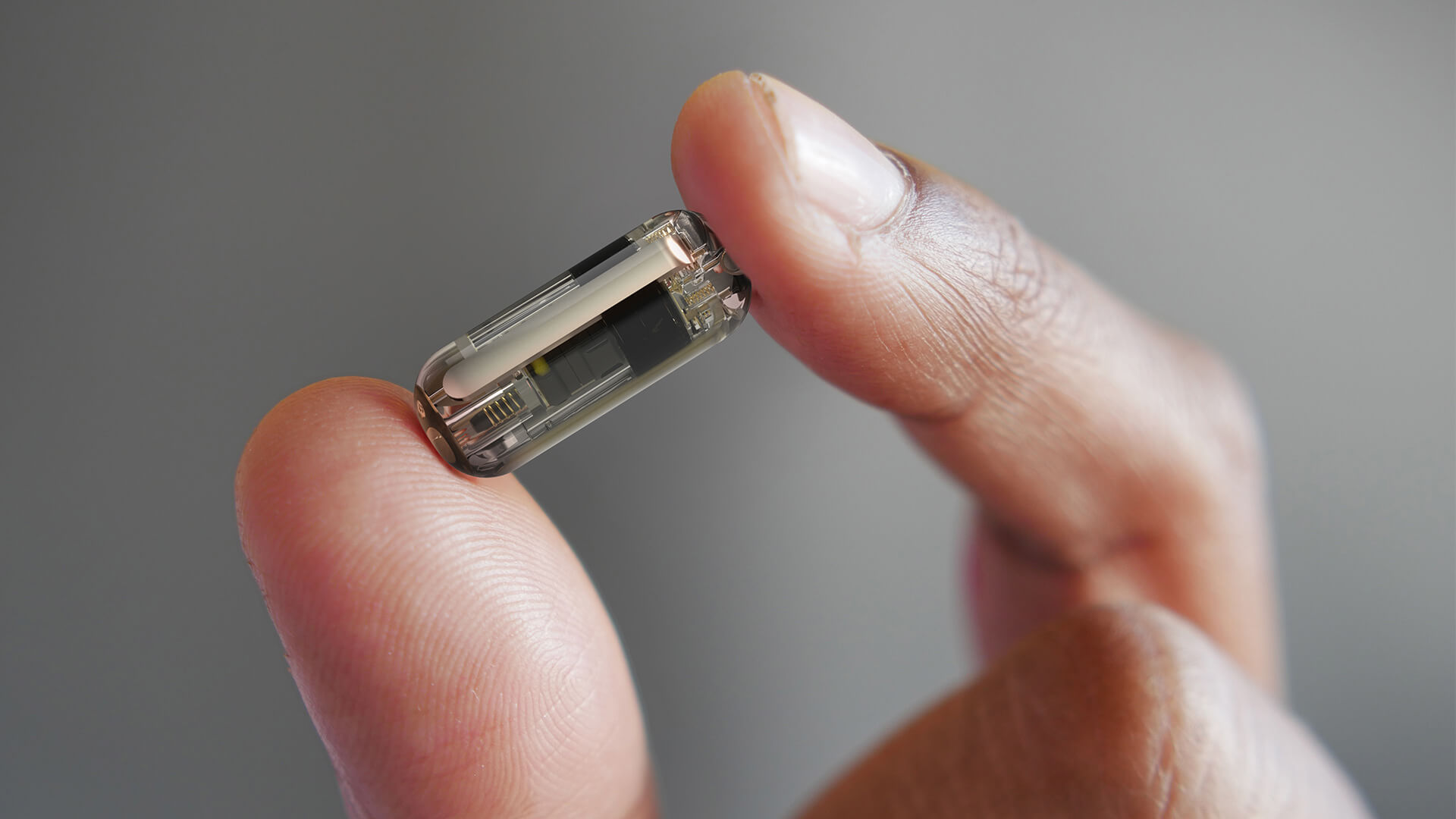
Long-term GI monitoring and drug delivery with a swallowable robotic capsule technology.
Gastric-Resident Robotics for GI Monitoring and Drug Delivery
Client
Massachusetts Institute of Technology (MIT)
Practice Areas
Smart Medical Devices
Core Disciplines
Overview
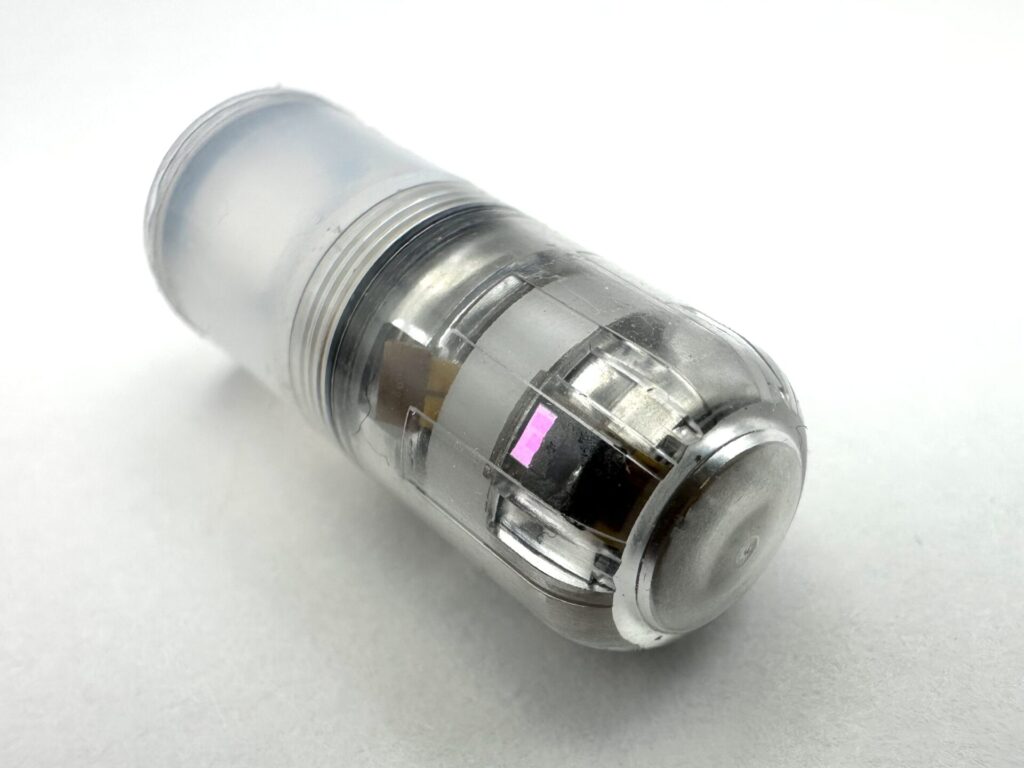
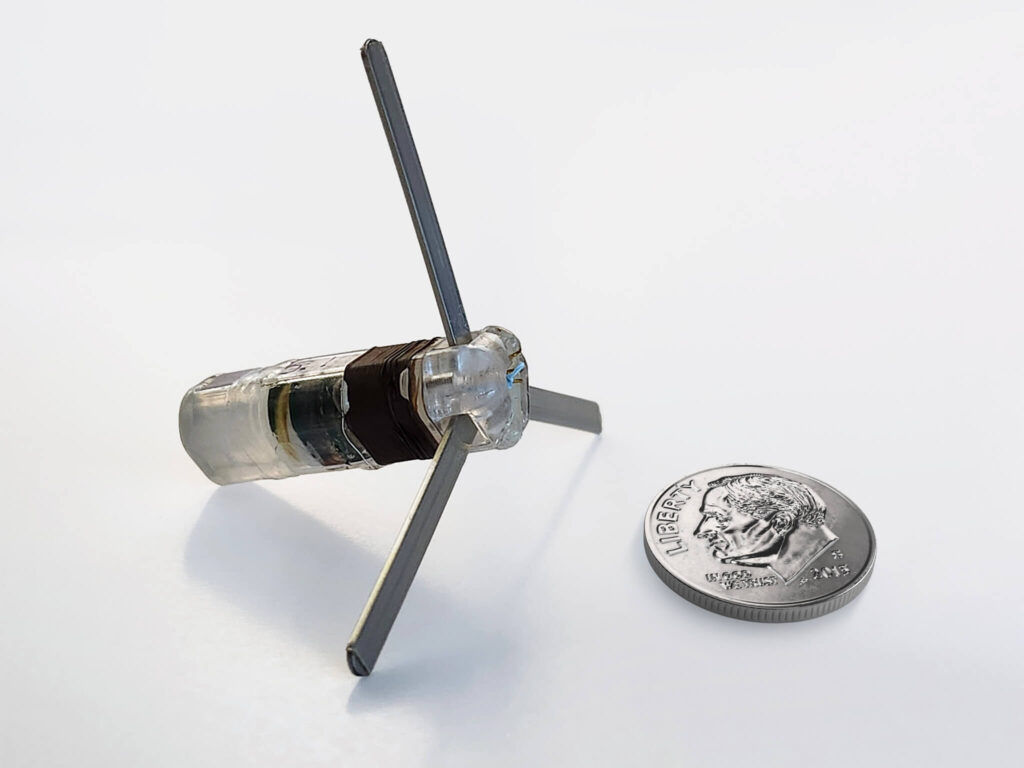
Triple Ring collaborated with MIT under a DARPA-funded program to advance a novel gastric-resident robotic capsule from an early-stage research concept toward clinical readiness. The swallowable capsule was designed to remain in the stomach for weeks to months, wirelessly monitor physiological data, and deliver multiple doses of therapeutics on command.
The program focused on transforming an innovative ingestible technology into a biocompatible, manufacturable medical device capable of supporting animal studies and future clinical evaluation.
Challenge
MIT sought a development partner capable of preparing the gastric-resident capsule for manufacturing and human clinical readiness within an FDA-compliant design control framework. The ultimate objective was to produce a design and functional units suitable for Investigational Device Exemption (IDE) submission.
The project required overcoming several significant engineering challenges, including miniaturizing the device into a swallowable form factor, designing for extremely low power consumption, ensuring reliable operation for weeks to months within the harsh gastric environment, and enabling robust wireless communication through highly dissipative body tissue.
Gastric-Resident Robotics for GI Monitoring and Drug Delivery
Overview
Triple Ring collaborated with MIT under a DARPA-funded program to advance a novel gastric-resident robotic capsule from an early-stage research concept toward clinical readiness. The swallowable capsule was designed to remain in the stomach for weeks to months, wirelessly monitor physiological data, and deliver multiple doses of therapeutics on command.
The program focused on transforming an innovative ingestible technology into a biocompatible, manufacturable medical device capable of supporting animal studies and future clinical evaluation.
Challenge
MIT sought a development partner capable of preparing the gastric-resident capsule for manufacturing and human clinical readiness within an FDA-compliant design control framework. The ultimate objective was to produce a design and functional units suitable for Investigational Device Exemption (IDE) submission.
The project required overcoming several significant engineering challenges, including miniaturizing the device into a swallowable form factor, designing for extremely low power consumption, ensuring reliable operation for weeks to months within the harsh gastric environment, and enabling robust wireless communication through highly dissipative body tissue.
Client
Massachusetts Institute of Technology (MIT)
Practice Areas
Smart Medical Devices
Core Disciplines
Software Engineering
Mechanical Engineering
Systems Engineering
Electrical Engineering
Quality System Management
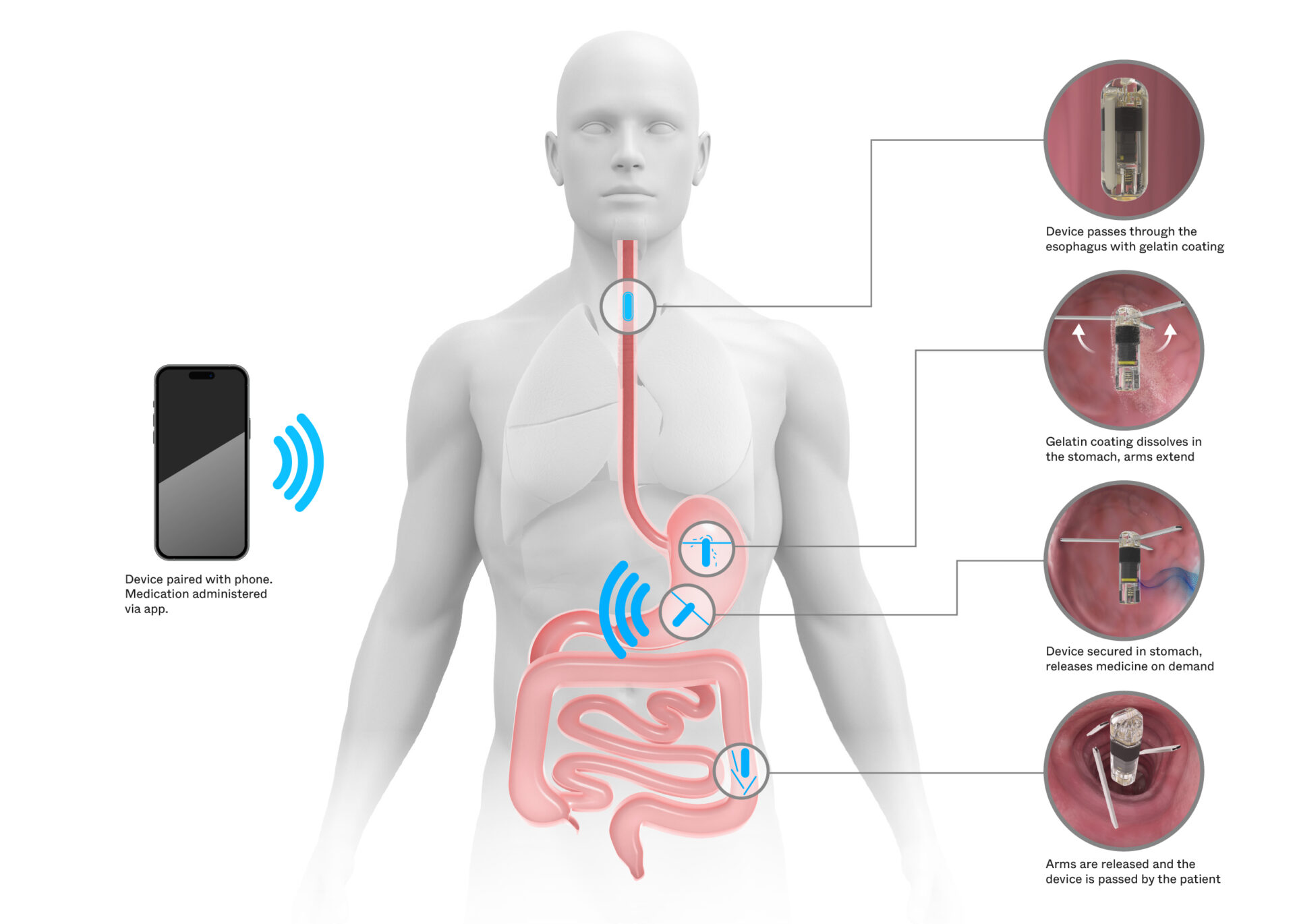
Solution
Triple Ring applied its multidisciplinary engineering and manufacturing expertise to translate the research concept into a manufacturable medical device.
The development program emphasized:
- Refining the device architecture to improve performance, manufacturability, and long-term reliability
- Designing and validating a custom antenna capable of wireless communication through human tissue
- Selecting materials that met demanding requirements for biocompatibility, barrier performance, and bond strength
- Validating a novel electrochemistry for improved manufacturability and performance
- Developing manufacturing processes and fixtures for laser welding, encapsulation, dip coating, bonding, and final assembly
- Establishing product requirements, verification methods, and design documentation within an FDA-compliant quality system
- Supporting prototype builds, verification testing, and animal studies conducted at MIT
Outcome
Triple Ring delivered multiple generations of prototype devices that successfully met pre-release verification criteria and achieved key animal study endpoints.
By combining expertise in medical devices, swallowable robotics, manufacturing engineering, and quality management systems, Triple Ring helped advance a promising DARPA/MIT research program toward clinical readiness, creating a foundation for future commercialization of long-term gastric-resident monitoring and drug delivery systems.
Triple Ring Talent
The Story Behind the Collaboration
At Triple Ring, we draw on a deep bench of expertise across diverse disciplines matched to each innovation challenge. For this project, our team combined swallowable device design, antenna engineering, materials science, manufacturing process development, and FDA-compliant quality systems expertise to advance a novel gastric-resident robotic platform from research concept to clinical readiness.
Vrad and Gus collaborated with many talented colleagues across Triple Ring and MIT on this project.

Vrad Levering, PhD
Biodesign & Systems Engineering
Dr. Vrad Levering guides systems engineering across the medical device development lifecycle, from early concept evaluation through manufacturing readiness. His broad experience across therapeutic areas helps shape development strategies for complex medical technologies.

Gus Lowell
Systems Architecture & Electrical Engineering
Augustus “Gus” Lowell defines the architecture of complex software and hardware systems across multidisciplinary programs. His work connects electrical engineering, data processing, and safety-critical functions into cohesive system frameworks.