Key Innovation
From unmet clinical need to company formation: the path to an at-home diagnostic solution.
At-Home Biomarker Measurements for Women
Client
Two X Labs
Practice Areas
TechBio & Life Sciences
Core Disciplines
Overview
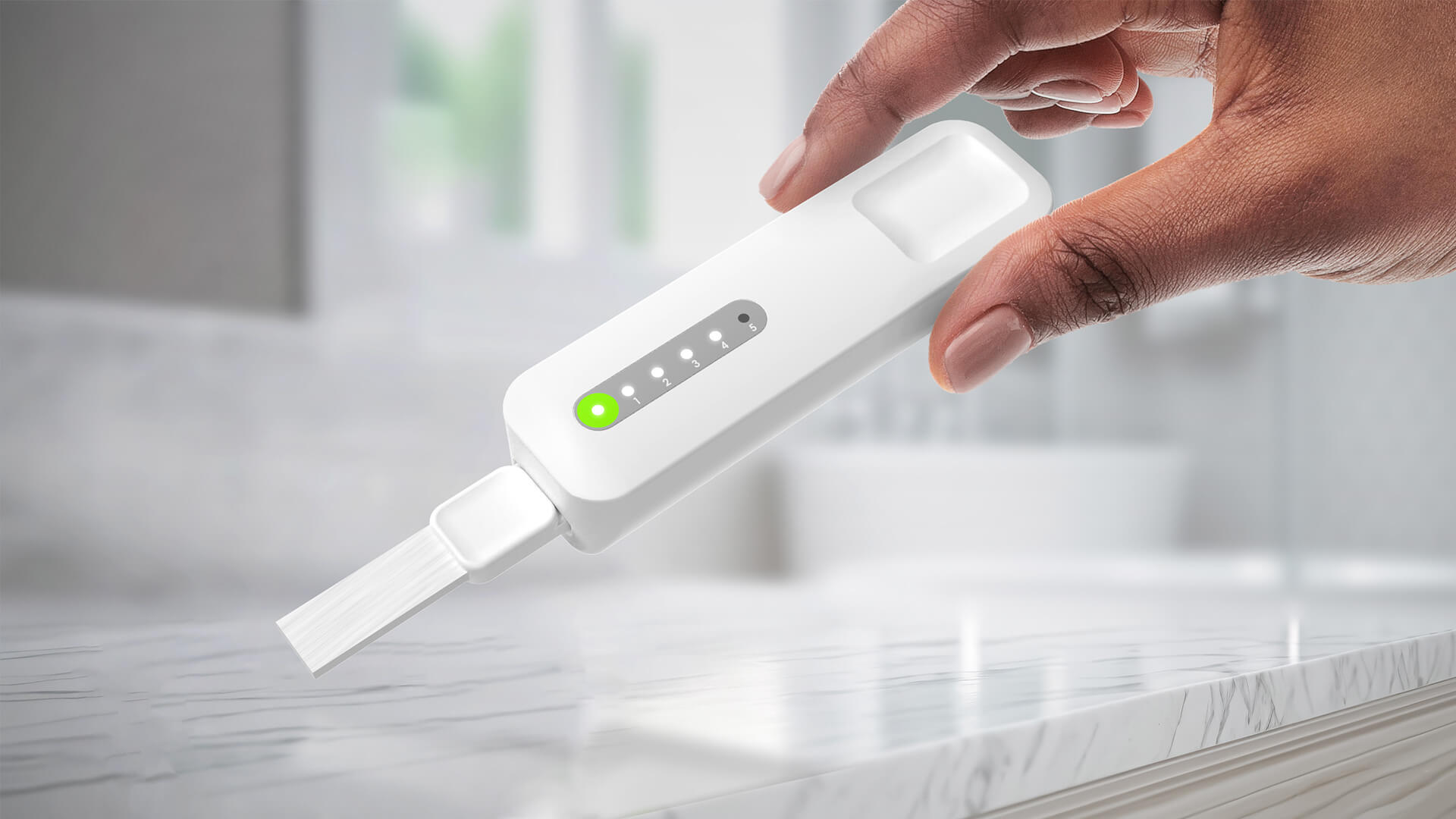
A venture studio engaged Triple Ring to identify commercially viable opportunities within women’s health. Former Stanford Biodesign Innovation fellows at Triple Ring applied the Biodesign process and evaluated unmet clinical needs transforming one of the highest-potential opportunities into an early-stage diagnostic concept.
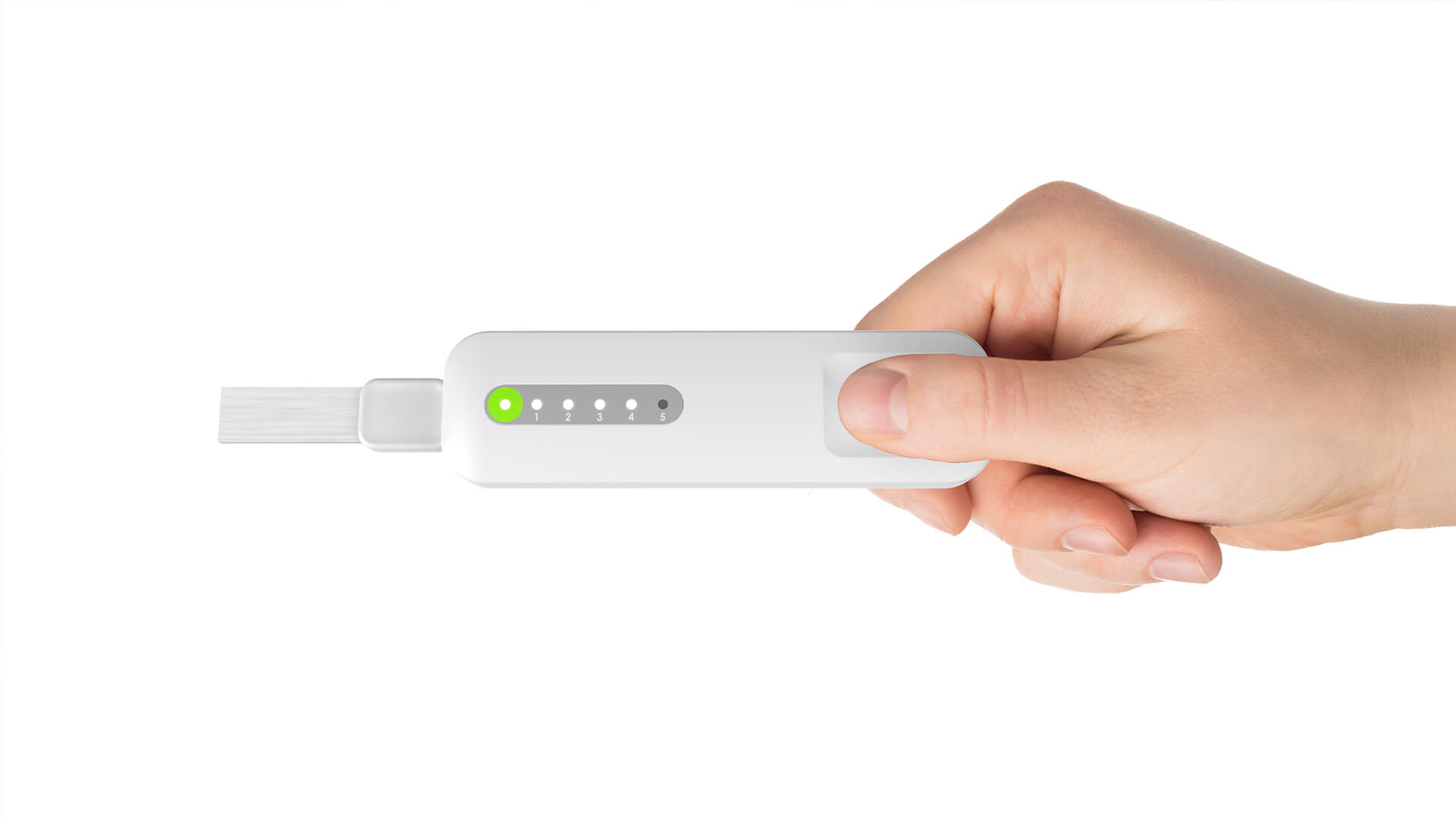
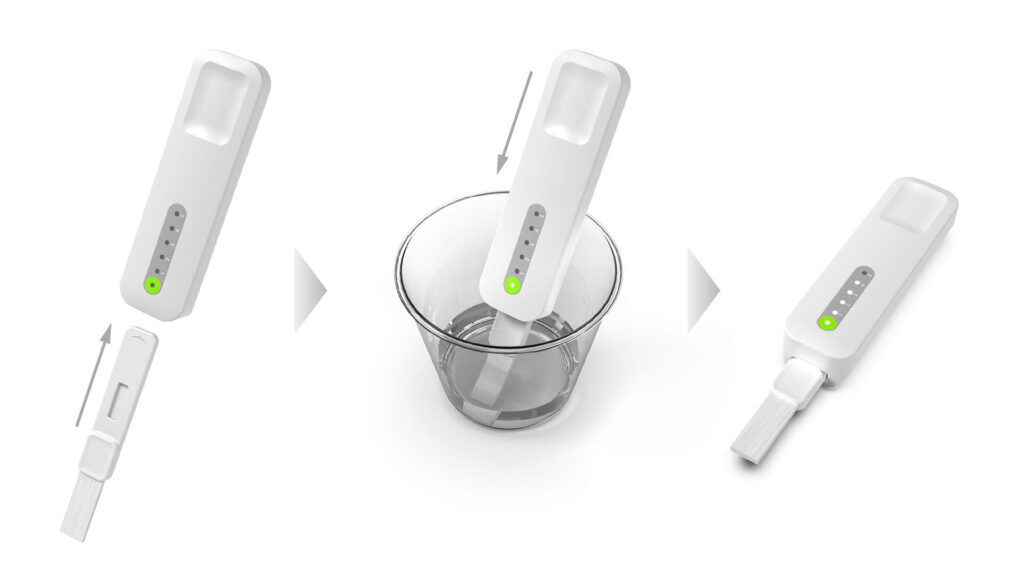
The program combined market discovery, clinical insight, and rapid technical innovation to create an at-home, semi-quantitative biomarker measurement platform designed for low-cost, CLIA-waived testing.
Challenge
The project began with a broad question: where are the greatest unmet opportunities in women’s health? Triple Ring interviewed healthcare providers, key opinion leaders, and other stakeholders while analyzing publicly available data to identify unmet clinical needs with meaningful market potential.
One promising opportunity emerged: a low-cost system capable of performing semi-quantitative biomarker measurements at home. Delivering clinically meaningful performance within the constraints of an affordable, CLIA-waived diagnostic platform presented a significant technical challenge.
At-Home Biomarker Measurements for Women
Overview
A venture studio engaged Triple Ring to identify commercially viable opportunities within women’s health. Former Stanford Biodesign Innovation fellows at Triple Ring applied the Biodesign process and evaluated unmet clinical needs transforming one of the highest-potential opportunities into an early-stage diagnostic concept.
The program combined market discovery, clinical insight, and rapid technical innovation to create an at-home, semi-quantitative biomarker measurement platform designed for low-cost, CLIA-waived testing.
Challenge
The project began with a broad question: where are the greatest unmet opportunities in women’s health? Triple Ring interviewed healthcare providers, key opinion leaders, and other stakeholders while analyzing publicly available data to identify unmet clinical needs with meaningful market potential.
One promising opportunity emerged: a low-cost system capable of performing semi-quantitative biomarker measurements at home. Delivering clinically meaningful performance within the constraints of an affordable, CLIA-waived diagnostic platform presented a significant technical challenge.
Client
Two X Labs
Practice Areas
TechBio & Life Sciences
Core Disciplines
Molecular & Cell Biology
Systems Engineering
Industrial Design
Solution
Triple Ring applied multidisciplinary product development expertise and the Biodesign methodology and to rapidly progress from opportunity identification to proof of concept.
The program combined clinical insight with rapid innovation by:
- Applying the Stanford Biodesign process to identify and prioritize unmet clinical needs
- Evaluating opportunities based on clinical impact, market potential, technical risk, and commercialization potential
- Brainstorming and refining technical concepts through an interdisciplinary team of scientists and engineers
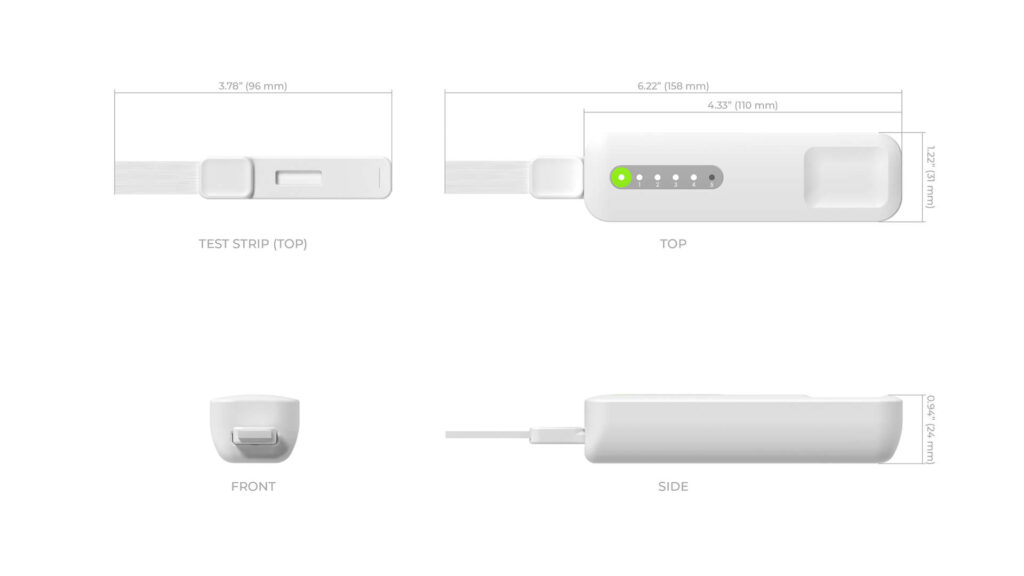
- Developing an initial proof-of-concept prototype for an at-home semi-quantitative biomarker measurement system
- Generating assay data and product visualizations to support company formation, fundraising, and commercialization plans
Outcome
Within weeks, Triple Ring developed an initial proof-of-concept prototype and demonstrated promising system performance.
The resulting intellectual property, and initial data, was used to form a startup company, Two X Labs, and an executive team was recruited to raise outside investment. Triple Ring continues to support commercialization through medical device development expertise and collaborative government proposal development, helping position the company to secure additional non-dilutive funding. The project demonstrates Triple Ring’s ability to identify unmet clinical needs, rapidly de-risk innovative concepts, and help launch new medical technology ventures.
Triple Ring Talent
The Story Behind the Innovation
At Triple Ring, we draw on a deep bench of expertise across diverse disciplines matched to each innovation challenge. For this project, our team combined clinical needs assessment, biodesign methodology, assay development, diagnostic device engineering, and commercialization strategy expertise to identify an unmet opportunity in women’s health and rapidly advance it from concept to fundable startup.
Rachel and Todd collaborated with many talented colleagues across Triple Ring and TwoX Labs on this project.

Rachel Gerver, PhD
Bioengineering and Systems
Dr. Rachel Gerver advances bioengineering and microfluidic technologies from early development into real-world application. Her work spans applied science and systems leadership, bringing complex innovations into practical use.

Todd Harris, PhD
Physics and Optical Science
Dr. Todd Harris applies expertise in physics and optical science to the development of advanced sensing and illumination technologies. His work combines optical modeling with system design, enabling dependable high-performance solutions.

Key Innovation
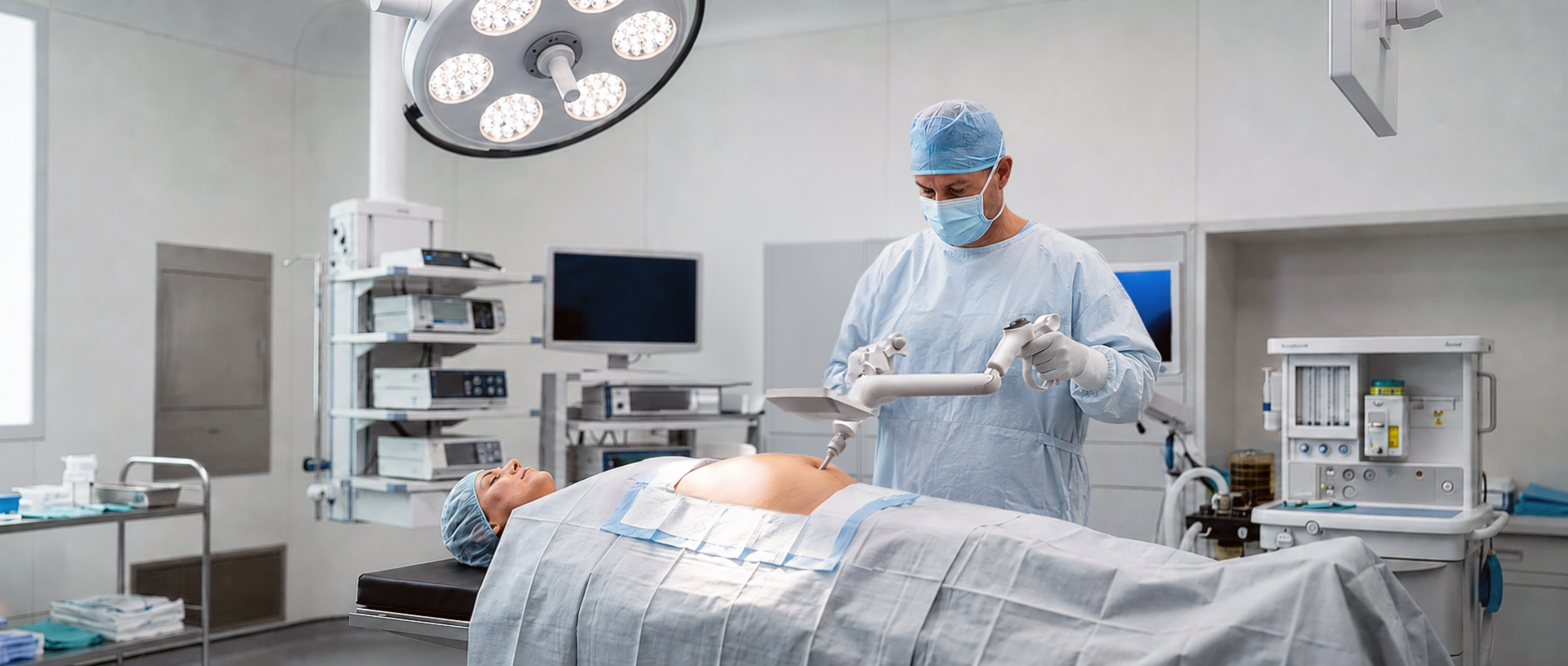
A fully disposable surgical robot eliminated sterilization without sacrificing precision.
Single-Use Surgical Robotics
Client
StaplCam
Practice Areas
Smart Medical Devices
Core Disciplines
Overview
StaplCam set out to transform robotic surgery by developing the world’s first fully disposable surgical operating system. The company engaged Triple Ring to drive R&D and product development, from concept definition through preclinical evaluation.
The program focused on creating a fully disposable robotic platform designed to reduce healthcare costs and simplify surgical workflows through eliminating requirements for cleaning, sterilization, and reprocessing of typical robotic surgery instruments.
Challenge
Developing a fully disposable surgical robot required rethinking conventional robotic surgery platforms while maintaining the performance required for both routine and complex procedures.
The system needed to deliver precision and functionality expected of advanced robotic surgical devices while introducing an entirely new approach to sterility, workflow efficiency, and cost. Achieving that vision leveraged Triple Ring’s expertise spanning user-centered design, systems engineering, mechanical engineering, electrical engineering, software engineering, and rapid prototyping.
Single-Use Surgical Robotics
Overview
StaplCam set out to transform robotic surgery by developing the world’s first fully disposable surgical operating system. The company engaged Triple Ring to drive R&D and product development, from concept definition through preclinical evaluation.
The program focused on creating a fully disposable robotic platform designed to reduce healthcare costs and simplify surgical workflows through eliminating requirements for cleaning, sterilization, and reprocessing of typical robotic surgery instruments.
Challenge
Developing a fully disposable surgical robot required rethinking conventional robotic surgery platforms while maintaining the performance required for both routine and complex procedures.
The system needed to deliver precision and functionality expected of advanced robotic surgical devices while introducing an entirely new approach to sterility, workflow efficiency, and cost. Achieving that vision leveraged Triple Ring’s expertise spanning user-centered design, systems engineering, mechanical engineering, electrical engineering, software engineering, and rapid prototyping.
Client
StaplCam
Practice Areas
Smart Medical Devices
Core Disciplines
Software Engineering
Mechanical Engineering
Systems Engineering
Electrical Engineering
Industrial Design
Solution
Triple Ring partnered closely with StaplCam throughout the product development process, helping transform an ambitious concept into a functional robotic platform.
The development program included:
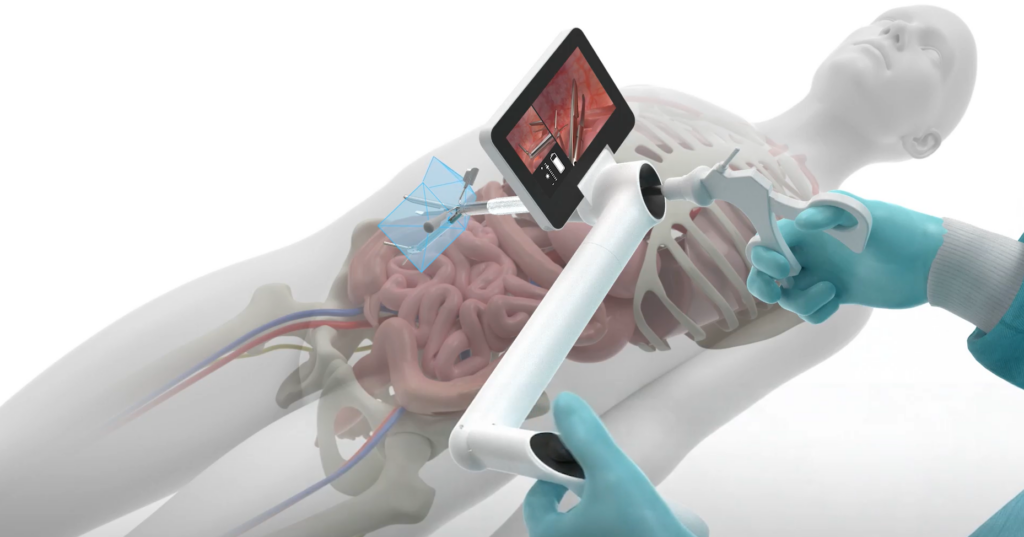
- Defining user needs and mapping clinical workflows to guide system requirements
- Creating product concepts and visualizations to accelerate design refinement
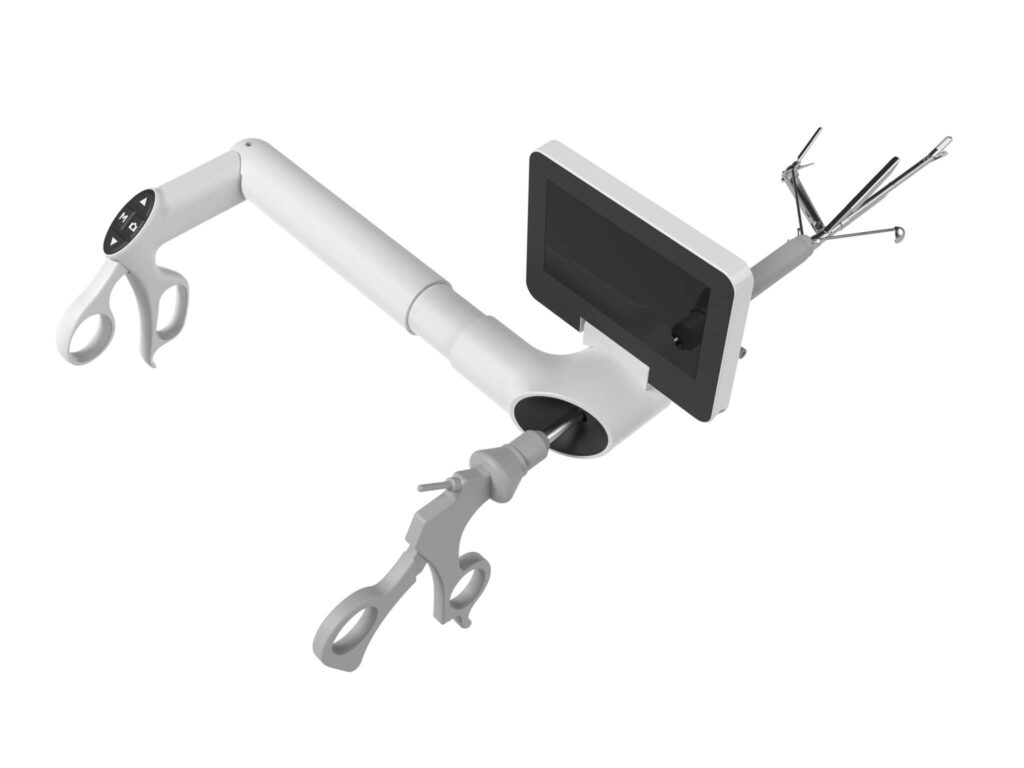
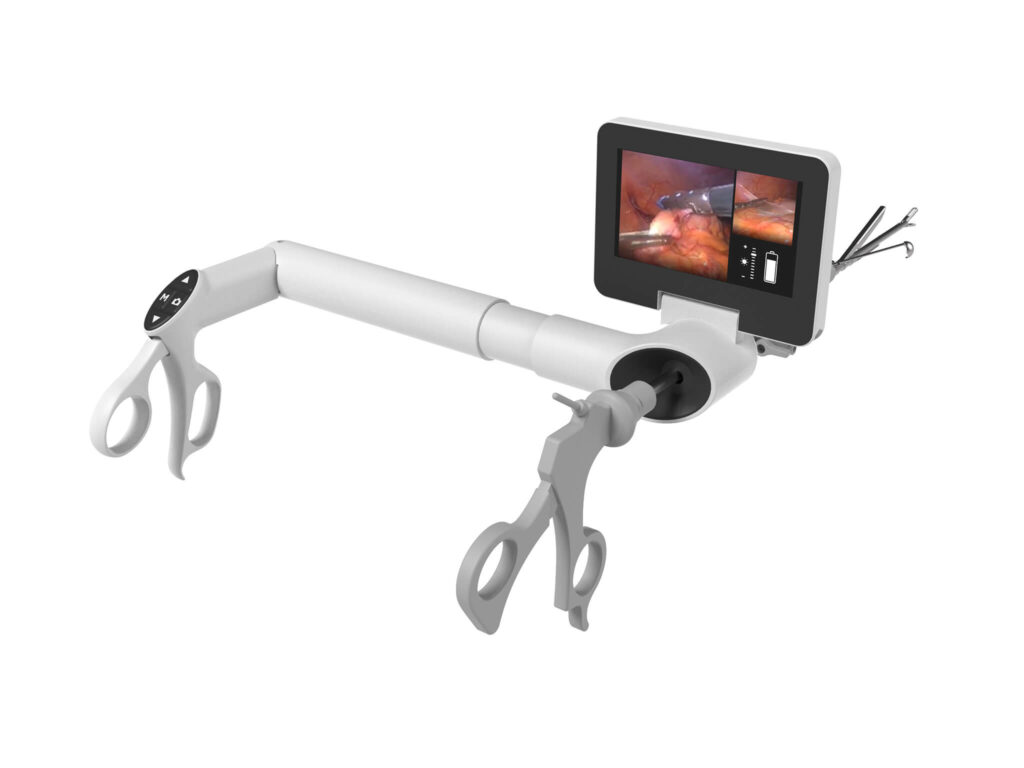
- Developing novel intellectual property supporting the disposable robotic platform including custom HD camera, lighting, and display
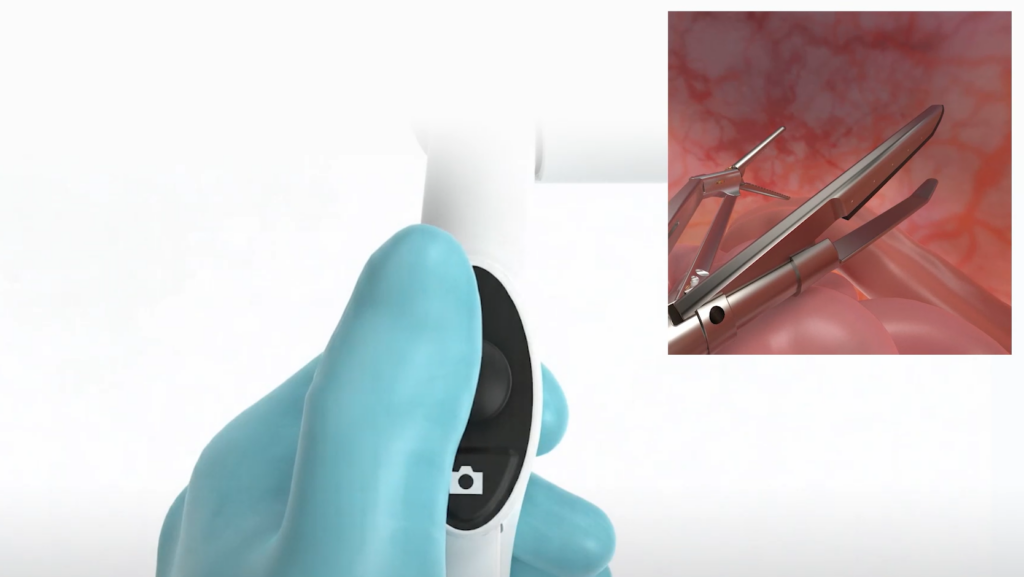
- Designing, engineering, and integrating a complete robotic system that enabled three tools to be managed with two hands using established laparoscopic motions and techniques
- Building proof-of-concept prototypes and conducting iterative engineering cycles
- Supporting preclinical testing to advance the system toward clinical readiness
Outcome
Triple Ring and StaplCam developed a fully disposable surgical robot prototype that challenges conventional expectations for robotic surgery by combining sterility, simplicity, and cost-effectiveness within a single-use platform.
The system successfully demonstrated its capabilities during preclinical testing and is positioned to advance toward human clinical trials. By eliminating the need to clean, sterilize, and reprocess reusable instruments, the platform has the potential to improve surgical workflows, reduce infection risk, lower healthcare cost, and expand access to robotic surgery across a broad range of procedures.
Triple Ring Talent
The Story Behind the Innovation
At Triple Ring, we draw on a deep bench of expertise across diverse disciplines matched to each innovation challenge. For this project, our team combined surgical robotics, systems engineering, mechanical and electrical engineering, software development, and user-centered design expertise to bring the world’s first fully disposable surgical robotic platform from concept to preclinical validation.
Tachi, Chris, and Tim collaborated with many talented colleagues across Triple Ring and StaplCam on this project.

Tachi Callas
Mechanical Engineering
Tachi Callas leads mechanical engineering teams developing complex medical technologies across the full product lifecycle. His work transforms innovative device concepts into manufacturable systems supporting advanced surgical and therapeutic applications.

Chris Mitchell, PhD
Bio and Electrical Engineering & Program Management
Dr. Chris Mitchell brings deep experience leading multidisciplinary teams developing complex imaging and medical device systems. His work focuses on guiding technical programs from concept through implementation, helping translate advanced technologies into reliable, real-world solutions.

Tim Sauder
Tim Sauder brings broad experience spanning biomedical engineering, medical device development, and advanced manufacturing. His work ranges from robotics systems and continuous biomarker monitoring technologies to business development and market assessment, supporting innovation across the medical device lifecycle.

Key Innovation
Long-term GI monitoring and drug delivery with a swallowable robotic capsule technology.
Gastric-Resident Robotics for GI Monitoring and Drug Delivery
Client
Massachusetts Institute of Technology (MIT)
Practice Areas
Smart Medical Devices
Core Disciplines
Overview
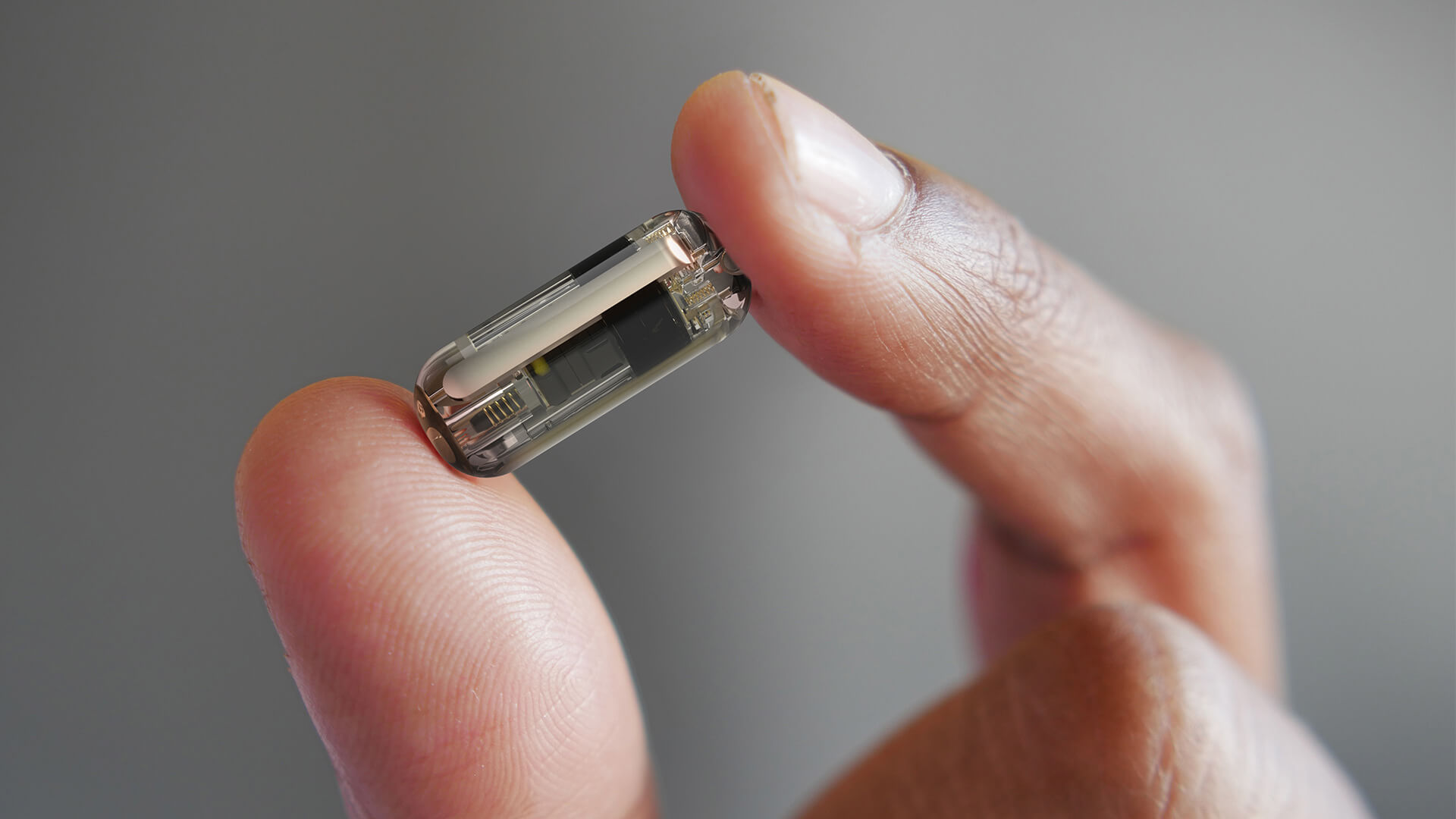
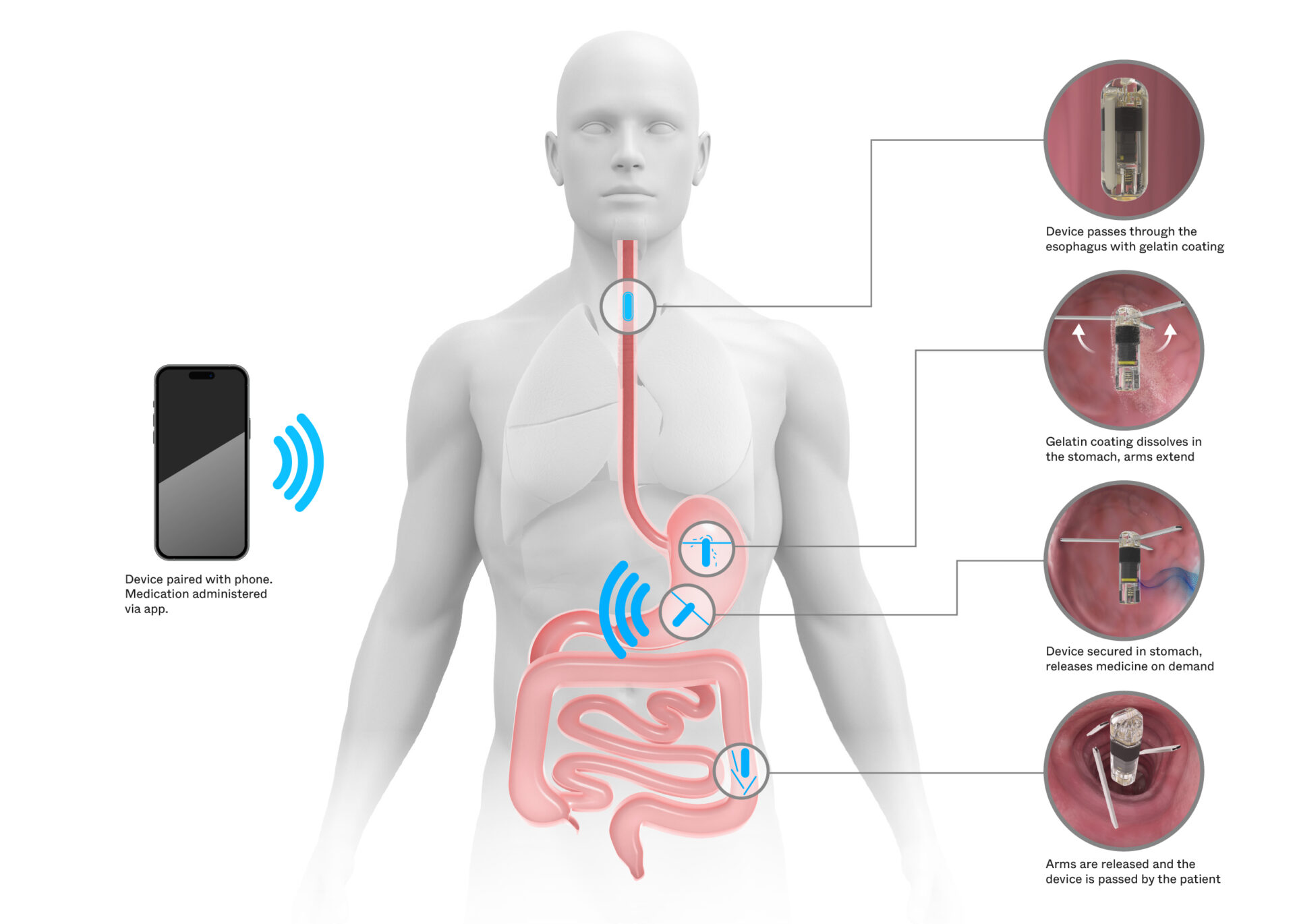
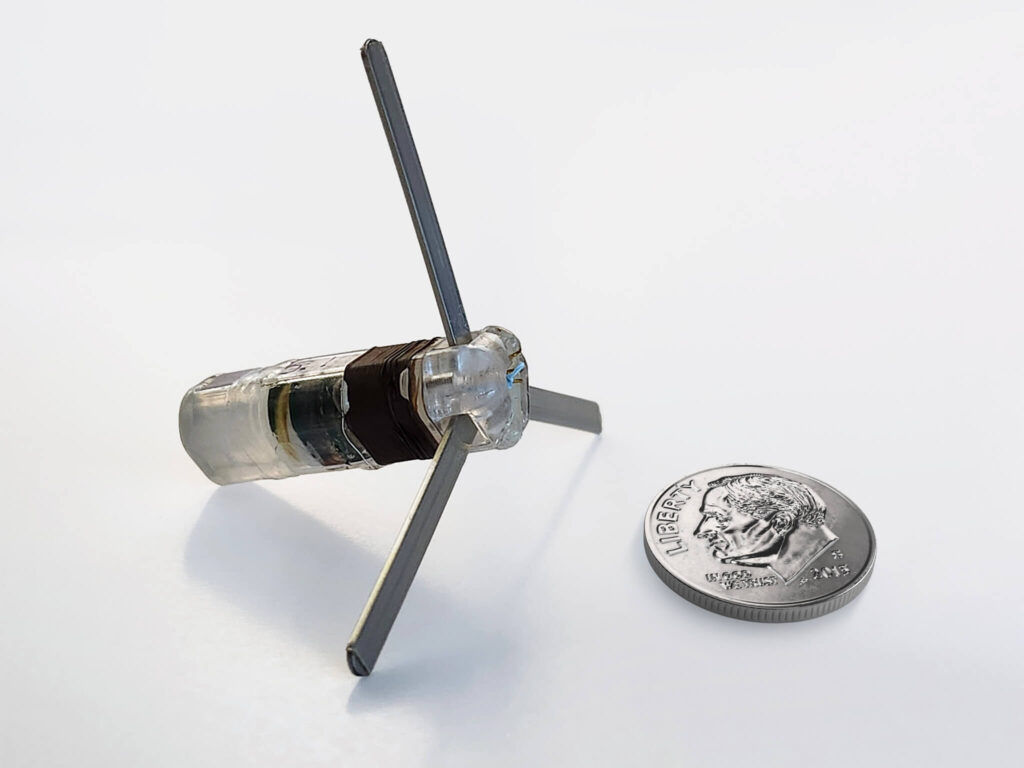
Triple Ring collaborated with MIT under a DARPA-funded program to advance a novel gastric-resident robotic capsule from an early-stage research concept toward clinical readiness. The swallowable capsule was designed to remain in the stomach for weeks to months, wirelessly monitor physiological data, and deliver multiple doses of therapeutics on command.
The program focused on transforming an innovative ingestible technology into a biocompatible, manufacturable medical device capable of supporting animal studies and future clinical evaluation.
Challenge
MIT sought a development partner capable of preparing the gastric-resident capsule for manufacturing and human clinical readiness within an FDA-compliant design control framework. The ultimate objective was to produce a design and functional units suitable for Investigational Device Exemption (IDE) submission.
The project required overcoming several significant engineering challenges, including miniaturizing the device into a swallowable form factor, designing for extremely low power consumption, ensuring reliable operation for weeks to months within the harsh gastric environment, and enabling robust wireless communication through highly dissipative body tissue.
Gastric-Resident Robotics for GI Monitoring and Drug Delivery
Overview
Triple Ring collaborated with MIT under a DARPA-funded program to advance a novel gastric-resident robotic capsule from an early-stage research concept toward clinical readiness. The swallowable capsule was designed to remain in the stomach for weeks to months, wirelessly monitor physiological data, and deliver multiple doses of therapeutics on command.
The program focused on transforming an innovative ingestible technology into a biocompatible, manufacturable medical device capable of supporting animal studies and future clinical evaluation.
Challenge
MIT sought a development partner capable of preparing the gastric-resident capsule for manufacturing and human clinical readiness within an FDA-compliant design control framework. The ultimate objective was to produce a design and functional units suitable for Investigational Device Exemption (IDE) submission.
The project required overcoming several significant engineering challenges, including miniaturizing the device into a swallowable form factor, designing for extremely low power consumption, ensuring reliable operation for weeks to months within the harsh gastric environment, and enabling robust wireless communication through highly dissipative body tissue.
Client
Massachusetts Institute of Technology (MIT)
Practice Areas
Smart Medical Devices
Core Disciplines
Software Engineering
Mechanical Engineering
Systems Engineering
Electrical Engineering
Quality System Management
Solution
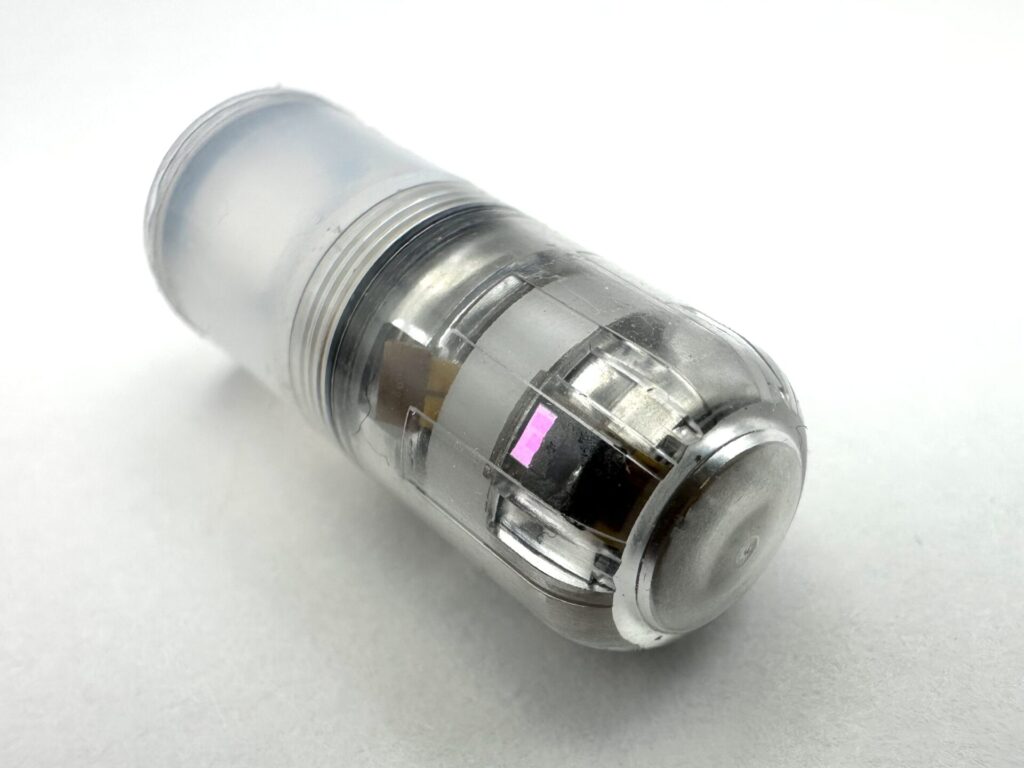
Triple Ring applied its multidisciplinary engineering and manufacturing expertise to translate the research concept into a manufacturable medical device.
The development program emphasized:
- Refining the device architecture to improve performance, manufacturability, and long-term reliability
- Designing and validating a custom antenna capable of wireless communication through human tissue
- Selecting materials that met demanding requirements for biocompatibility, barrier performance, and bond strength
- Validating a novel electrochemistry for improved manufacturability and performance
- Developing manufacturing processes and fixtures for laser welding, encapsulation, dip coating, bonding, and final assembly
- Establishing product requirements, verification methods, and design documentation within an FDA-compliant quality system
- Supporting prototype builds, verification testing, and animal studies conducted at MIT
Outcome
Triple Ring delivered multiple generations of prototype devices that successfully met pre-release verification criteria and achieved key animal study endpoints.
By combining expertise in medical devices, swallowable robotics, manufacturing engineering, and quality management systems, Triple Ring helped advance a promising DARPA/MIT research program toward clinical readiness, creating a foundation for future commercialization of long-term gastric-resident monitoring and drug delivery systems.
Triple Ring Talent
The Story Behind the Collaboration
At Triple Ring, we draw on a deep bench of expertise across diverse disciplines matched to each innovation challenge. For this project, our team combined swallowable device design, antenna engineering, materials science, manufacturing process development, and FDA-compliant quality systems expertise to advance a novel gastric-resident robotic platform from research concept to clinical readiness.
Vrad and Gus collaborated with many talented colleagues across Triple Ring and MIT on this project.

Vrad Levering, PhD
Biodesign & Systems Engineering
Dr. Vrad Levering guides systems engineering across the medical device development lifecycle, from early concept evaluation through manufacturing readiness. His broad experience across therapeutic areas helps shape development strategies for complex medical technologies.

Gus Lowell
Systems Architecture & Electrical Engineering
Augustus “Gus” Lowell defines the architecture of complex software and hardware systems across multidisciplinary programs. His work connects electrical engineering, data processing, and safety-critical functions into cohesive system frameworks.

Key Innovation
Closed-loop microfluidics cut the cost and complexity of cell therapy manufacturing.
Closed-Loop Cell Therapy Manufacturing
Client
Scaled Cell Solutions
Practice Areas
TechBio & Life Sciences
Core Disciplines
Overview
Scaled Cell Solutions, a venture-backed startup, engaged Triple Ring to rethink cell therapy manufacturing with the aims of reducing cost, shortening time to dose, and expanding patient access. By Integrating a ground-breaking workflow, biophysical analysis, and novel gene delivery technology, our work built a foundation for disrupting cell therapy production.
Challenge
Current cell therapy manufacturing processes rely on technologies that introduce risk at every step as cells are transferred between functional modules within complex, high-cost workflows. These fragmented processes resist automation, increase variability, add contamination risk, and limit patient access to potentially life-saving therapies.
Triple Ring invented a closed-loop approach that reduces complexity, lowers cost, and shortens time to dose while maintaining safety, efficacy, and product quality.
Closed-Loop Cell Therapy Manufacturing
Overview
Scaled Cell Solutions, a venture-backed startup, engaged Triple Ring to rethink cell therapy manufacturing with the aims of reducing cost, shortening time to dose, and expanding patient access. By Integrating a ground-breaking workflow, biophysical analysis, and novel gene delivery technology, our work built a foundation for disrupting cell therapy production.
Challenge
Current cell therapy manufacturing processes rely on technologies that introduce risk at every step as cells are transferred between functional modules within complex, high-cost workflows. These fragmented processes resist automation, increase variability, add contamination risk, and limit patient access to potentially life-saving therapies.
Triple Ring invented a closed-loop approach that reduces complexity, lowers cost, and shortens time to dose while maintaining safety, efficacy, and product quality.
Client
Scaled Cell Solutions
Practice Areas
TechBio & Life Sciences
Core Disciplines
Molecular & Cell Biology
Systems Engineering
Applied Physics
Microfluidics

Solution
Triple Ring developed enabling technologies designed to streamline and modernize cell therapy manufacturing through an integrated closed-loop architecture.
The solution combined several novel technologies:
- A microfluidic-based end-to-end manufacturing platform
- Modular high-throughput cell selection technology
- Advanced non-viral gene transfer technologies
- Modular subsystems capable of operating independently or within an integrated workflow
Outcome
Triple Ring developed innovative technologies that advanced cell therapy manufacturing through a microfluidic-enabled, closed-loop, end-to-end production platform.
The system eliminates cold-chain storage challenges, reduces extensive quality control measures, and shortens patient wait times. The system architecture represents a significant advancement over traditional cell therapy manufacturing approaches, whose complex and costly workflows continue to limit patient access.
Importantly, the modular cell selection and transfection subsystems operate independently or in tandem, providing flexibility for both early research and later clinical applications. The functionality of the system was successfully demonstrated at the prototype level.
Triple Ring Talent
The Story Behind the Collaboration
At Triple Ring, we draw on a deep bench of expertise across diverse disciplines matched to each innovation challenge. For this project, our team combined cell biology, microfluidics, gene delivery, bioprocess engineering, and systems integration expertise to invent a closed-loop manufacturing platform with the potential to transform patient access to cell therapies.
Gene, Roger, and Ryan collaborated with many talented colleagues across Triple Ring and Scaled Cell Solutions on this project.

Gene Napolitano, PhD
Molecular Cell Biology
Dr. Gene Napolitano brings scientific leadership to drug discovery and in vitro diagnostics programs. His work connects expertise in cell and molecular biology with diagnostic and therapeutic development across a broad range of disease areas.

Roger Tang, PhD
Bioinstrumentation and Product Development
Dr. Roger Tang leads the development of complex medical technologies spanning bioengineering, instrumentation, and applied science. His work brings together scientific, engineering, and product development expertise to guide technologies from early concept through commercialization.

Ryan McGuinness
Biotechnology and Product Development
Ryan McGuinness connects innovators, technologies, and strategic partners to accelerate the development of novel healthcare technologies. His work helps organizations build the technical, commercial, and funding foundations needed to move promising ideas toward commercialization.

Key Innovation
A digital twin turned an unpredictable X-ray source into a reliable analytical platform.
Handheld XRF Elemental Analysis
Client
Tribogenics
Practice Areas
Imaging, Robotics & Radiotherapy
Core Disciplines
Overview
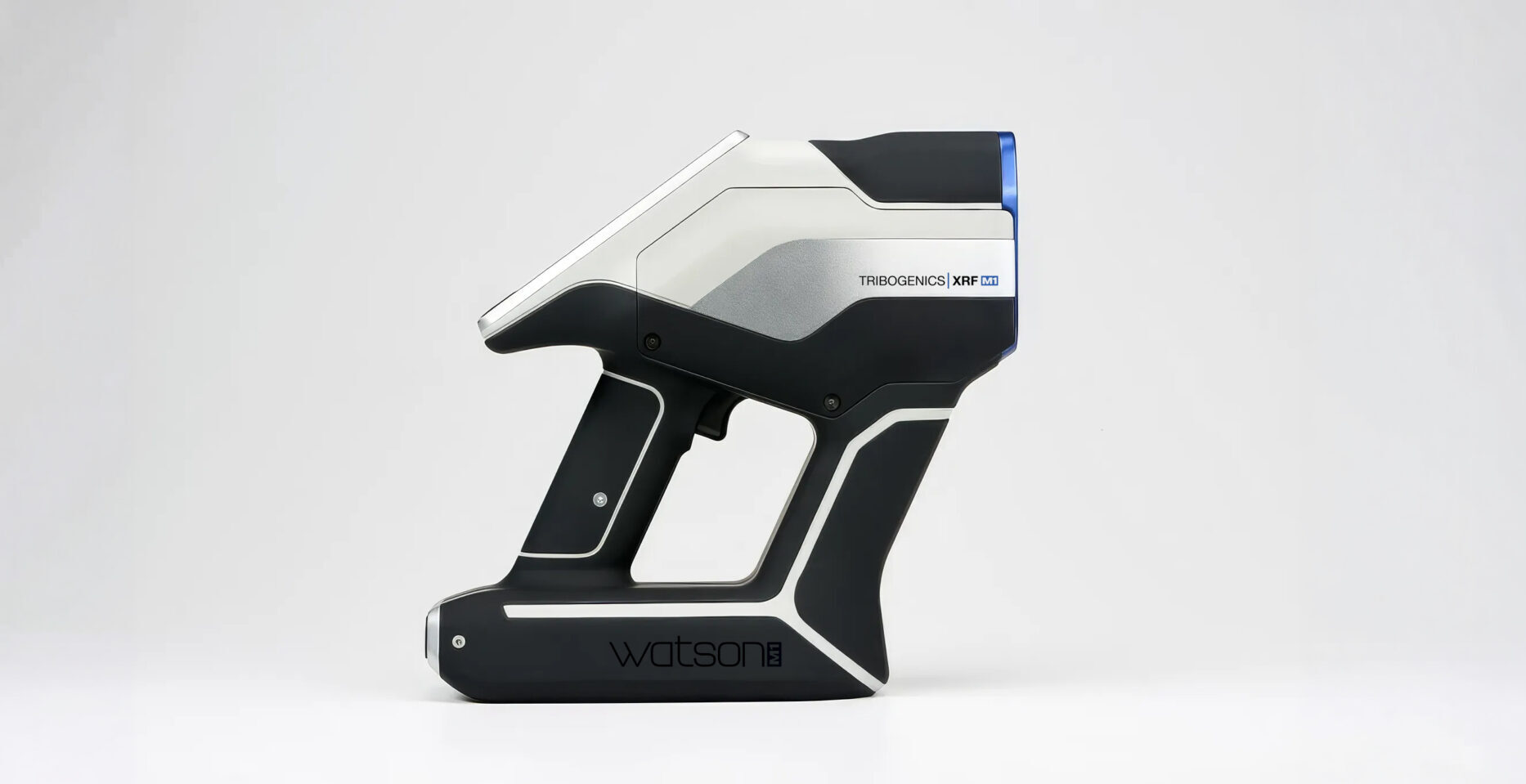
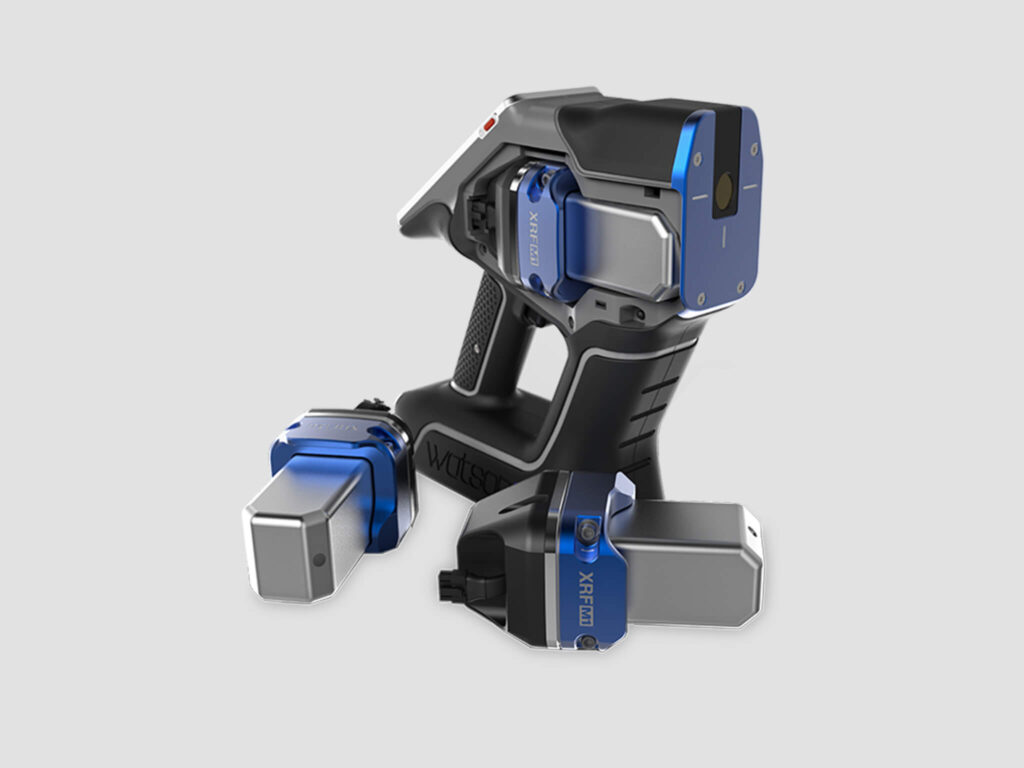
Tribogenics engaged Triple Ring to advance a next-generation handheld X-ray fluorescence (XRF) analyzer built around a novel triboelectric X-ray source developed in collaboration with DARPA and UCLA. Unlike conventional XRF systems that rely on high-voltage power supplies, the Tribogenics architecture offered the potential for a lower-cost, more compact instrument.
The program focused on overcoming analytical challenges associated with the unconventional X-ray source, enabling more accurate and repeatable elemental analysis for portable Positive Material Identification (PMI).
Challenge
While Tribogenics’ novel X-ray source created significant opportunities for compact, low-cost XRF instrumentation, it also introduced a fundamental measurement challenge. The emitted X-ray spectrum varied from shot to shot, throughout the lifetime of the source, and between individual sources, reducing the accuracy and repeatability of elemental concentration measurements.
With first-generation instruments achieving only mid-80% PMI accuracy on a limited alloy set, Tribogenics challenged Triple Ring to develop the physics-based algorithms and analytical framework needed to improve measurement robustness and support development of a more competitive next-generation instrument.
Handheld XRF Elemental Analysis
Overview
Tribogenics engaged Triple Ring to advance a next-generation handheld X-ray fluorescence (XRF) analyzer built around a novel triboelectric X-ray source developed in collaboration with DARPA and UCLA. Unlike conventional XRF systems that rely on high-voltage power supplies, the Tribogenics architecture offered the potential for a lower-cost, more compact instrument.
The program focused on overcoming analytical challenges associated with the unconventional X-ray source, enabling more accurate and repeatable elemental analysis for portable Positive Material Identification (PMI).
Challenge
While Tribogenics’ novel X-ray source created significant opportunities for compact, low-cost XRF instrumentation, it also introduced a fundamental measurement challenge. The emitted X-ray spectrum varied from shot to shot, throughout the lifetime of the source, and between individual sources, reducing the accuracy and repeatability of elemental concentration measurements.
With first-generation instruments achieving only mid-80% PMI accuracy on a limited alloy set, Tribogenics challenged Triple Ring to develop the physics-based algorithms and analytical framework needed to improve measurement robustness and support development of a more competitive next-generation instrument.
Client
Tribogenics
Practice Areas
Imaging, Robotics & Radiotherapy
Core Disciplines
AI & Advanced Algorithms
Systems Engineering
Photonics & Imaging
Applied Physics

Solution
Triple Ring developed a comprehensive modeling and algorithm framework to understand, compensate for, and reduce the effects of spectral variability.
The program centered on:
- Building a high-fidelity Monte Carlo digital twin of the complete XRF measurement system
- Modeling X-ray source behavior, sample interaction physics, detector response, and system geometry
- Developing signal processing and spectral analysis algorithms to improve elemental measurement accuracy
- Designing and validating a real-time spectral compensation approach using a secondary detector
- Using simulation-first methods to isolate error sources, evaluate design tradeoffs, and de-risk future hardware development
Outcome
Triple Ring delivered a validated simulation and algorithm framework that addressed the primary sources of analytical error within the Tribogenics platform.
The resulting digital twin accurately reproduced measured XRF spectra and demonstrated that real-time spectral compensation could reduce elemental concentration variability to near the Poisson noise floor under controlled conditions. These capabilities provided Tribogenics with the analytical foundation needed to advance their next-generation handheld XRF analyzer, helping translate an innovative X-ray source into a more accurate, commercially viable elemental analysis platform.
Triple Ring Talent
The Story Behind the Innovation
At Triple Ring, we draw on a deep bench of expertise across diverse disciplines matched to each innovation challenge. For this project, our team combined X-ray physics, Monte Carlo simulation, signal processing, algorithm development, and analytical instrumentation expertise to transform a novel but variable X-ray source into a foundation for accurate, commercially viable elemental analysis.
Daniel and Tobias collaborated with many talented colleagues across Triple Ring and Tribogenics on this project.

Daniel Badali, PhD
Applied Physics and Algorithms
Dr. Daniel Badali brings deep expertise in advanced algorithms, optics, and radiation physics. His work bridges software and hardware, enabling complex simulation, imaging, and sterilization technologies that help turn sophisticated concepts into reliable medical solutions.

Tobias Funk, PhD
Applied Physics and Instrumentation
Dr. Tobias Funk develops advanced instrumentation that applies ionizing radiation to scientific and medical challenges. His work spans imaging, simulation, and system design, helping translate complex physical principles into practical technologies used in real-world environments.

Key Innovation
Virtual simulation caught design flaws before physical builds began.
Continuous Glucose Monitoring
Client
Dexcom
Practice Areas
Smart Medical Devices
Core Disciplines
Overview
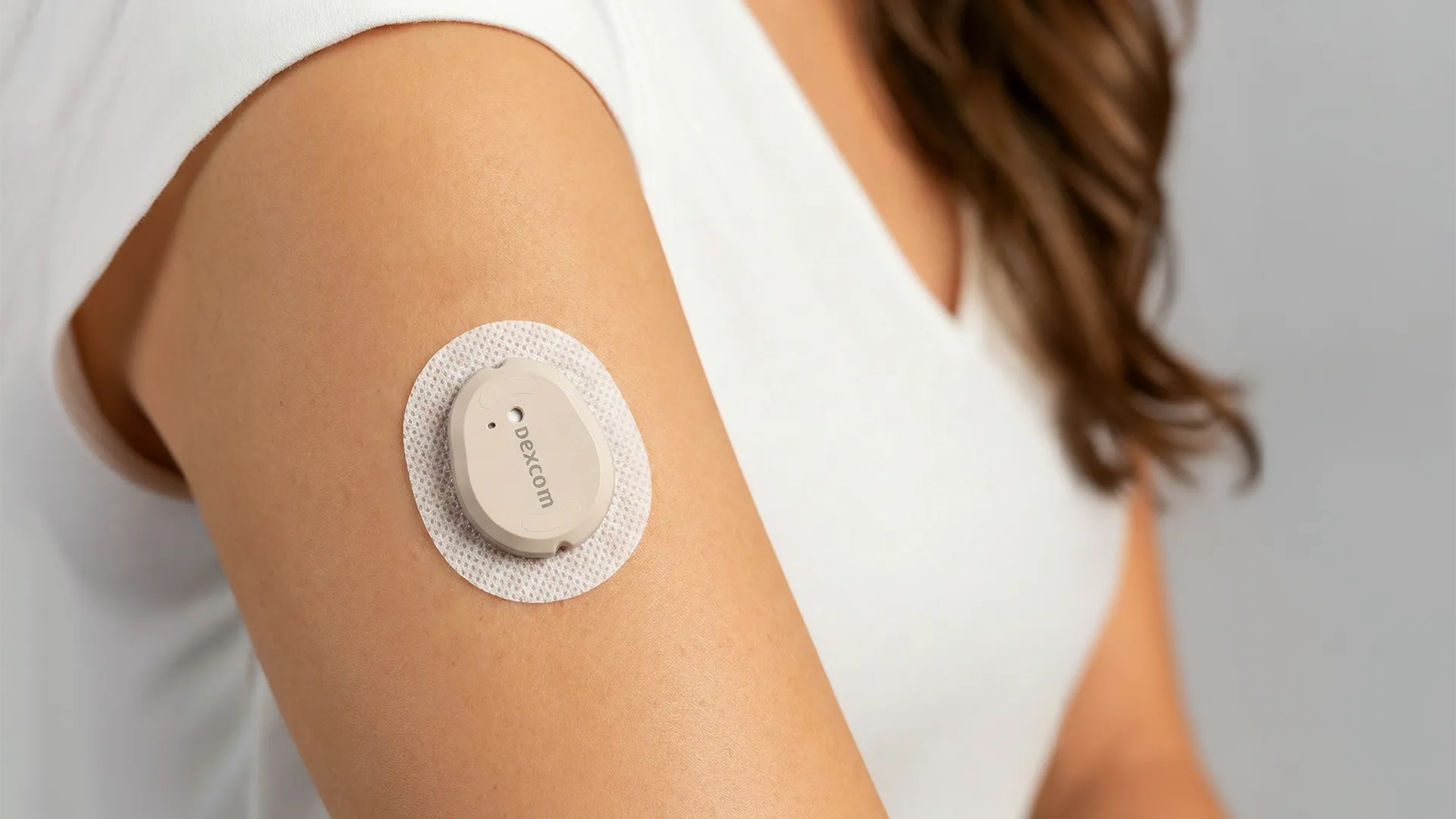
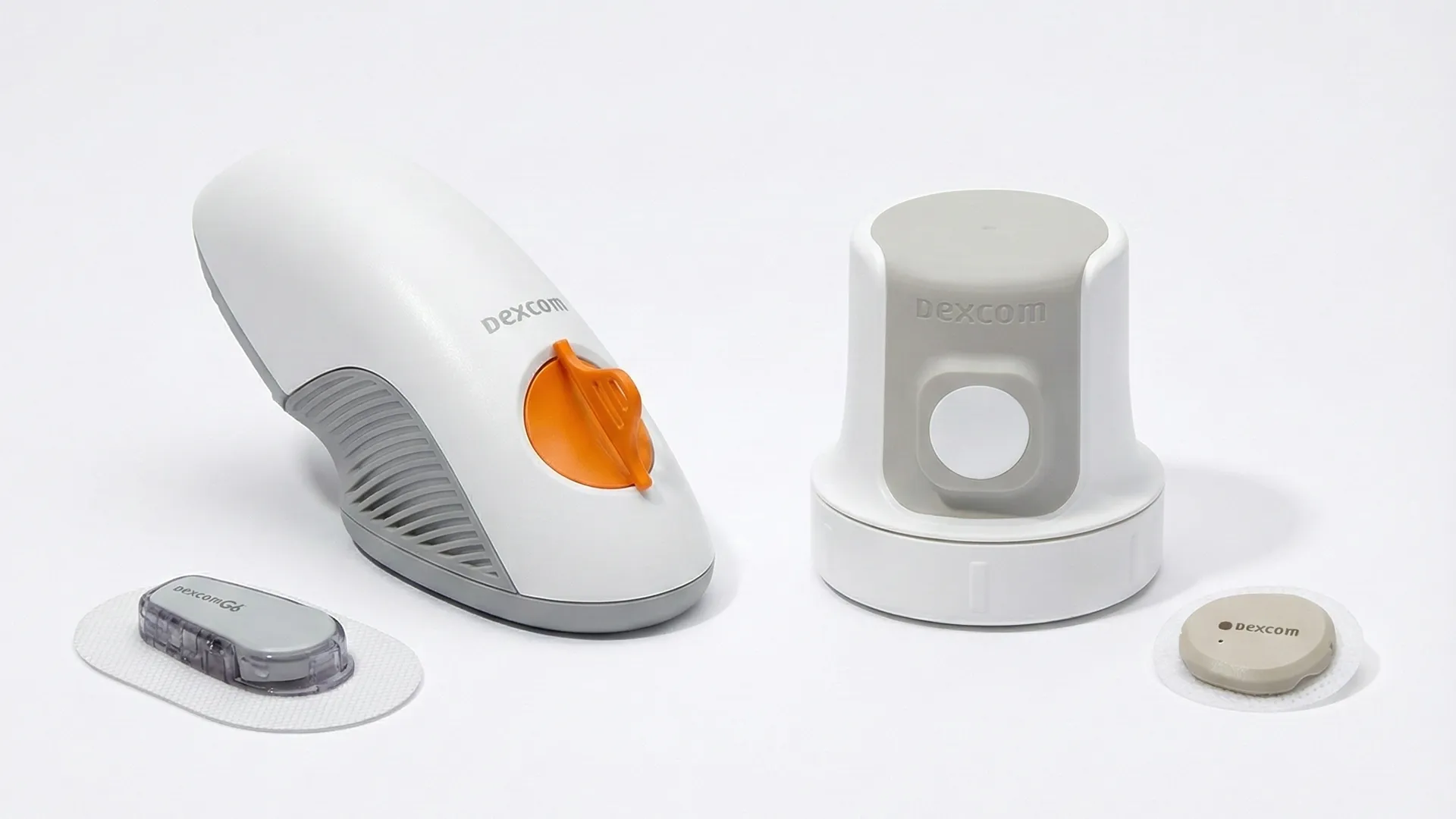
For more than a decade, Triple Ring has partnered with continuous glucose monitoring (CGM) manufacturer Dexcom to support the rapid evolution of product designs in response to customer demands and increasing market competition. Dexcom CGM systems are wearable medical devices that continuously track glucose levels and deliver real-time data to connected devices, enabling improved diabetes management.
Across multiple generations of CGM devices, Triple Ring contributed analytical expertise and design inputs that enabled new features, improved manufacturability, and supported high-volume production. This long-term collaboration helped shorten development timelines and accelerate the release of successive CGM platforms.
Challenge
As Dexcom’s CGM products evolved, market forces required rapid improvements in usability, reliability, and manufacturability while maintaining high performance and production efficiency. The development of next-generation CGM devices required resolving complex design behaviors, managing manufacturing variability, and supporting large-scale production.
Dexcom engaged Triple Ring at critical points in development to address these technical challenges while maintaining aggressive timelines for new product releases.
Continuous Glucose Monitoring
Overview
For more than a decade, Triple Ring has partnered with continuous glucose monitoring (CGM) manufacturer Dexcom to support the rapid evolution of product designs in response to customer demands and increasing market competition. Dexcom CGM systems are wearable medical devices that continuously track glucose levels and deliver real-time data to connected devices, enabling improved diabetes management.
Across multiple generations of CGM devices, Triple Ring contributed analytical expertise and design inputs that enabled new features, improved manufacturability, and supported high-volume production. This long-term collaboration helped shorten development timelines and accelerate the release of successive CGM platforms.
Challenge
As Dexcom’s CGM products evolved, market forces required rapid improvements in usability, reliability, and manufacturability while maintaining high performance and production efficiency. The development of next-generation CGM devices required resolving complex design behaviors, managing manufacturing variability, and supporting large-scale production.
Dexcom engaged Triple Ring at critical points in development to address these technical challenges while maintaining aggressive timelines for new product releases.
Client
Dexcom
Practice Areas
Smart Medical Devices
Core Disciplines
Mechanical Engineering
Systems Engineering
Transfer to Manufacture
Solution
Triple Ring applied deep expertise in device development, mechanism analysis, finite-element simulation, and empirical testing to support the design and optimization of Dexcom’s CGM platforms.
By leveraging system-level modeling and complex empirical characterization, Triple Ring enabled Dexcom to model the effects of manufacturing variability across hundreds of thousands of virtual devices. This approach allowed the identification of unforeseen design sensitivities early in development, when design changes were less costly and more effective.
Development efforts included:
- Designing automated one-touch deployment mechanisms
- Conducting system-level modeling to evaluate design performance
- Developing testing strategies to capture real-world device behavior
- Refining designs to improve manufacturability and yield
Solution
Dexcom, together with Triple Ring, developed and optimized a fully automated one-touch deployment mechanism for the award-winning G6 platform. Five years later, the G7 successor introduced a completely redesigned applicator that combined deployment of the wearable and sensor into a single step, reflecting continued advances in device integration and usability.
Triple Ring’s analytical and empirical strategies resolved undesirable device behaviors, improved model accuracy, and ensured robust product performance. These efforts significantly reduced time to market while enabling reliable, high-volume manufacturing.
The collaboration established Triple Ring as a long-term trusted partner supporting Dexcom’s continued innovation in diabetes management and improving quality of life for millions of patients.
Triple Ring Talent
The Story Behind the Innovation
At Triple Ring, we draw on a deep bench of expertise across diverse disciplines matched to each innovation challenge. For this project, our team combined mechanism analysis, finite-element simulation, system-level modeling, and empirical testing to help Dexcom design and optimize CGM platforms across multiple device generations — shortening timelines and enabling reliable, high-volume manufacturing.
Gabe and Thu collaborated with many talented colleagues across Triple Ring and Dexcom on this project.

Gabriel Chow, PhD
Materials Characterization & Development
Dr. Gabe Chow specializes in materials characterization and mechanical system development across macro to nanoscale environments. His work supports the design, testing, and reliability of advanced materials and mechanical systems, helping translate innovative concepts into durable, real-world solutions.

Thu Nguyen, PhD
Mechanical Systems & Device Development
Dr. Thu Nguyen specializes in human-centered mechanical systems, with expertise in exoskeleton control and movement optimization. Her work focuses on understanding how mechanical design interacts with human performance, helping teams develop solutions that improve function, reliability, and real-world usability.


Key Innovation
A computational leap turned a pocket-sized device into hospital-grade diagnostics.
Cable-Free Synthesized ECG
Client
HeartBeam
Practice Areas
Smart Medical Devices
Core Disciplines
Overview
HeartBeam collaborated with Triple Ring to develop an innovative telehealth solution designed to transform the detection and monitoring of cardiac conditions. The goal was to create a compact, portable cardiac monitoring device capable of collecting ECG signals in three dimensions and synthesizing them into a clinically meaningful 12-lead ECG.
The resulting platform supports remote cardiac monitoring by enabling physicians to access real-time data outside traditional clinical settings, expanding access to cardiac diagnostics and improving patient care workflows.
Challenge
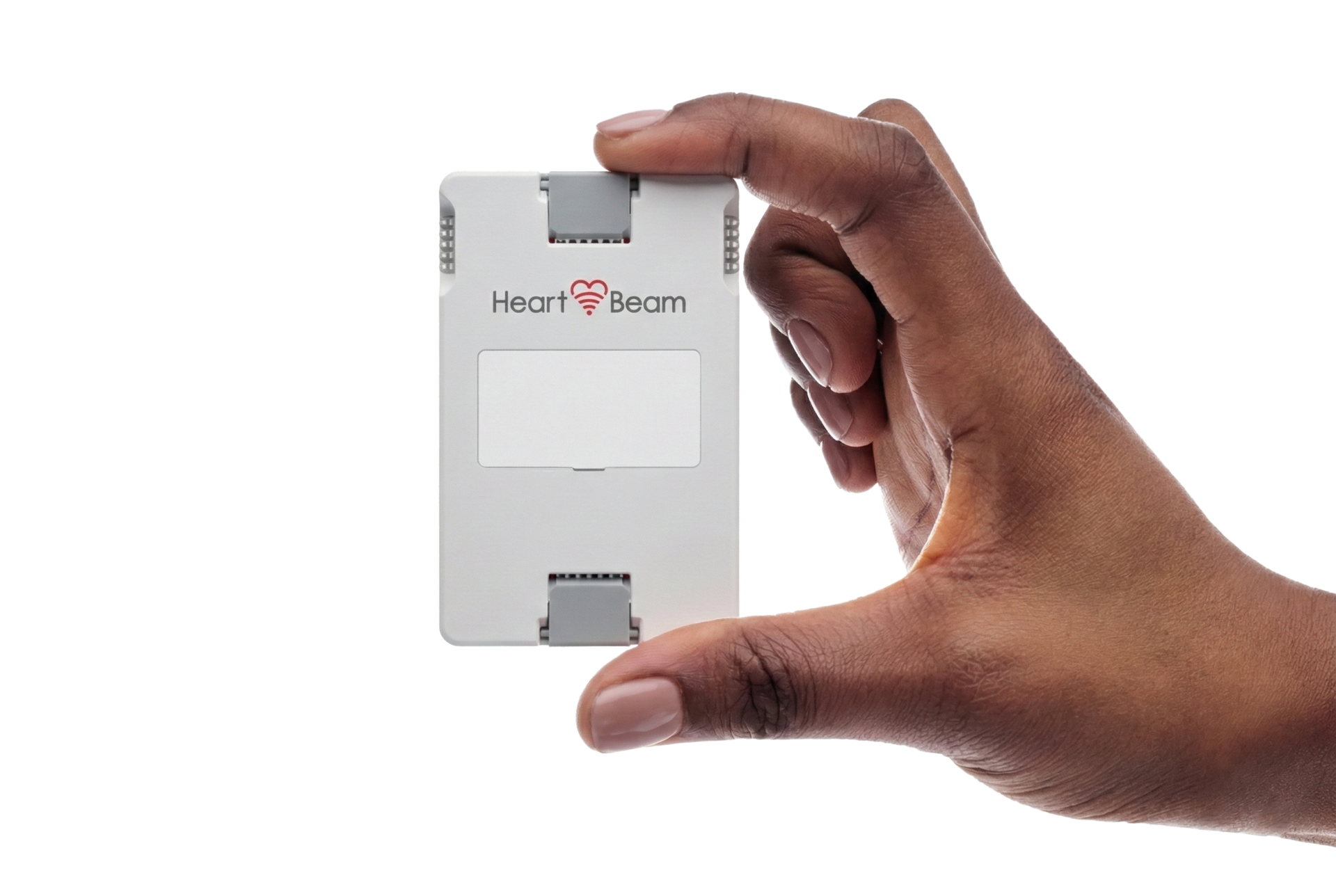
HeartBeam sought to develop a personal, cable-free, and easy-to-use cardiac monitoring solution for both in-clinic and at-home use. The objective was to create a credit card-sized ECG recording device that leverages vectorcardiography (VECG) and integrates with cloud-based software to deliver critical patient data to physicians in real time.
Achieving this required coordinating multidisciplinary device development while meeting regulatory requirements and supporting rapid product development timelines.
Solution
HeartBeam partnered with Triple Ring to execute a comprehensive, five-phase expedited device development program spanning early R&D, industrial design, product development, manufacturing readiness, and regulatory preparation.
Triple Ring applied expertise in wearable medical device design and system integration to develop the cable-free ECG device and supporting ecosystem. The program included device builds for design verification and validation, packaging development, and manufacturing technology transfer to support scalable production.
Key development activities included:
- Designing compact wearable hardware capable of capturing three-dimensional ECG signals
- Integrating smartphone-based communication to transmit data securely
- Developing cloud-connected workflows that enabled remote physician access
- Supporting regulatory preparation for FDA 510(k) submission and validation
Cable-Free Synthesized ECG
Overview
HeartBeam collaborated with Triple Ring to develop an innovative telehealth solution designed to transform the detection and monitoring of cardiac conditions. The goal was to create a compact, portable cardiac monitoring device capable of collecting ECG signals in three dimensions and synthesizing them into a clinically meaningful 12-lead ECG.
The resulting platform supports remote cardiac monitoring by enabling physicians to access real-time data outside traditional clinical settings, expanding access to cardiac diagnostics and improving patient care workflows.
Challenge
HeartBeam sought to develop a personal, cable-free, and easy-to-use cardiac monitoring solution for both in-clinic and at-home use. The objective was to create a credit card-sized ECG recording device that leverages vectorcardiography (VECG) and integrates with cloud-based software to deliver critical patient data to physicians in real time.
Achieving this required coordinating multidisciplinary device development while meeting regulatory requirements and supporting rapid product development timelines.
Solution
HeartBeam partnered with Triple Ring to execute a comprehensive, five-phase expedited device development program spanning early R&D, industrial design, product development, manufacturing readiness, and regulatory preparation.
Triple Ring applied expertise in wearable medical device design and system integration to develop the cable-free ECG device and supporting ecosystem. The program included device builds for design verification and validation, packaging development, and manufacturing technology transfer to support scalable production.
Key development activities included:
- Designing compact wearable hardware capable of capturing three-dimensional ECG signals
- Integrating smartphone-based communication to transmit data securely
- Developing cloud-connected workflows that enabled remote physician access
- Supporting regulatory preparation for FDA 510(k) submission and validation
Client
HeartBeam
Practice Areas
Smart Medical Devices
Core Disciplines
Software Engineering
AI & Advanced Algorithms
Mechanical Engineering
Systems Engineering
Electrical Engineering
Industrial Design
Outcome
The HeartBeam–Triple Ring collaboration produced a personal, cable-free synthesized 12-lead ECG solution that enables patients to record cardiac data at home. The device integrates with a smartphone application that communicates with the HeartBeam Cloud, where synthesized ECG data is compared with baseline records and made available to physicians remotely.
This multidisciplinary and fast-paced program resulted in a successful 510(k) submission to the U.S. Food and Drug Administration (FDA) and regulatory clearance in 2024 for the hardware that leverages vectorcardiography and collects 3D ECG data. The synthesized 12-lead ECG algorithm remains pending FDA clearance.
The completed system enables physicians to remotely monitor cardiac conditions and guide patient care outside traditional healthcare facilities, supporting new models of telehealth-enabled cardiac diagnostics.
Triple Ring Talent
The Story Behind the Innovation
At Triple Ring, we draw on a deep bench of expertise across diverse disciplines matched to each innovation challenge. For this project, our team applied expertise in wearable medical device design, system integration, and regulatory strategy to deliver a cable-free, credit card-sized ECG device — from early R&D through successful FDA 510(k) clearance in 2024.
Walt and Kevin collaborated with many talented colleagues across Triple Ring and HeartBeam on this project.

Walt Cecka
Medical Device Design & Translational Medicine
Walt Cecka brings decades of experience translating novel medical technologies into first-to-market products. He works closely with innovators to shape early concepts into structured development programs that advance patient care across a wide range of clinical applications.

Kevin Dunk
Mechanical & Aerospace Engineering
Kevin Dunk brings expertise in mechanical engineering and multidisciplinary product development across the full device lifecycle. His work supports teams from early prototypes through verification and manufacturing, helping ensure systems are reliable, scalable, and ready for real-world use.


Key Innovation
Tissue compensation algorithms brought real-time StO₂ monitoring into the OR.
Real-Time Tissue Oxygenation Status
Client
ViOptix
Practice Areas
Smart Medical Devices
Core Disciplines
Overview
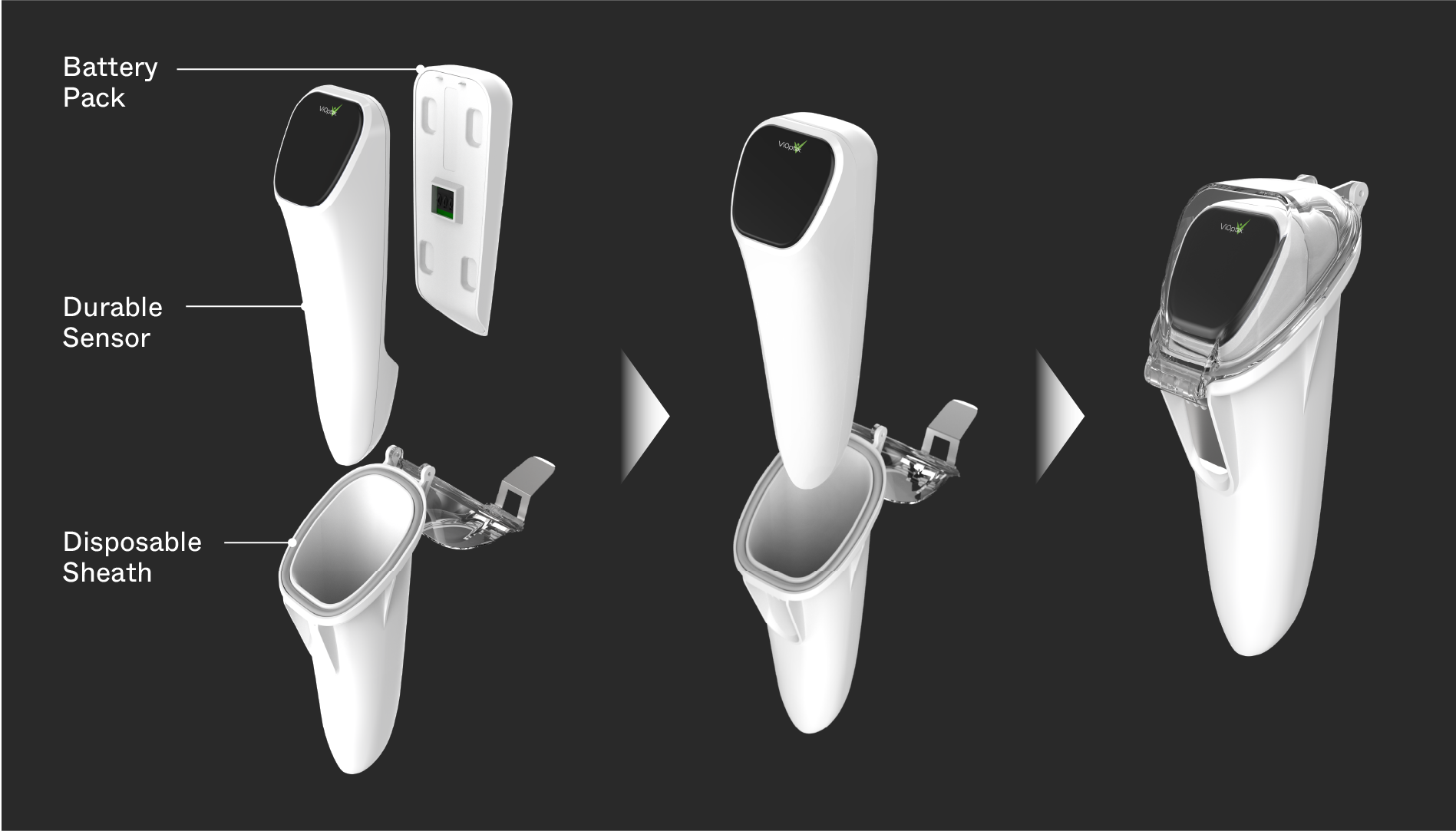
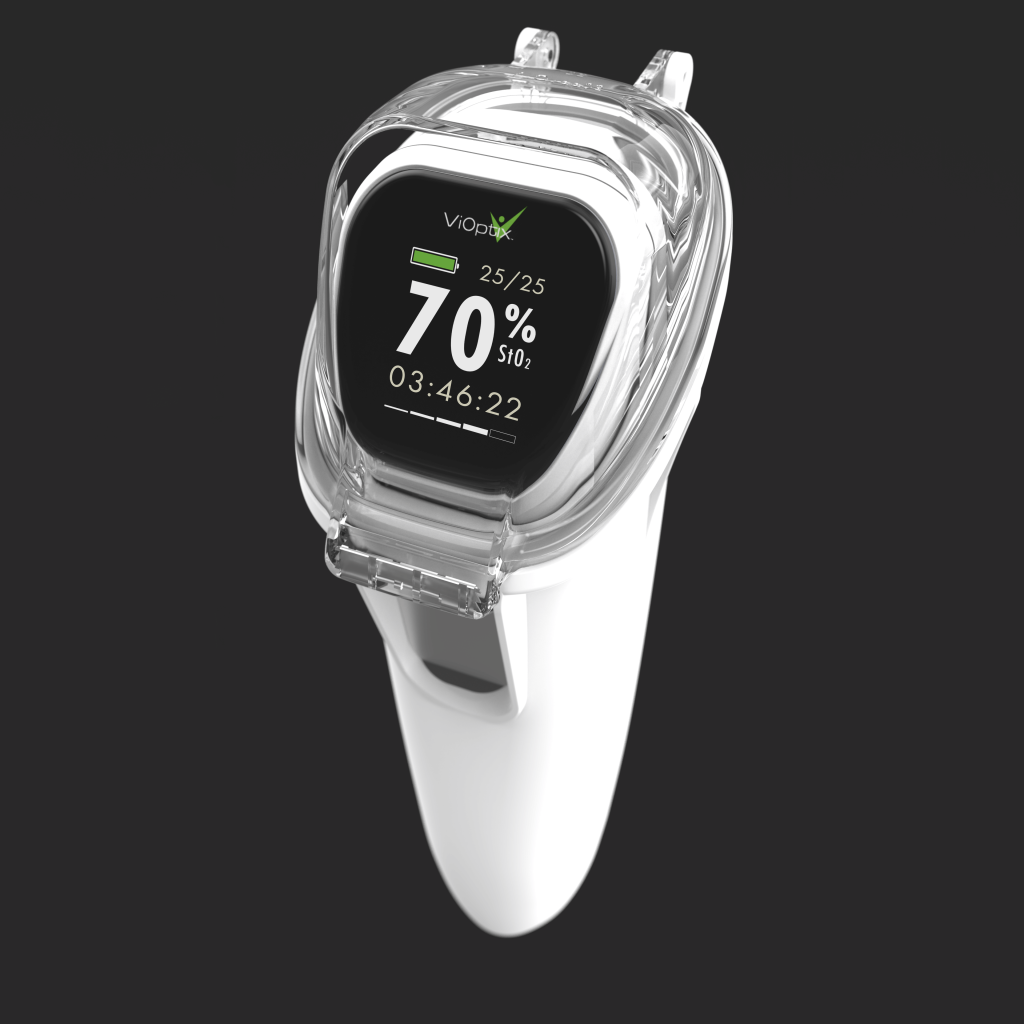
ViOptix collaborated with Triple Ring to design and develop the Intra.Ox™, a non-invasive, handheld tissue oxygenation monitor designed for use inside the surgical theater. The device enables real-time measurement of tissue oxygenation, helping surgeons assess tissue viability and make informed decisions during procedures.
By combining optical sensing technology with advanced algorithms and a portable handheld design, the system supports improved surgical workflows and enhances clinical decision-making during tissue transfer procedures.
Challenge
ViOptix sought to develop a quantitative tissue oxygenation monitor capable of delivering real-time, highly sensitive measurements in a surgical environment. The system needed to be easy to use, reliable, and capable of generating unlimited readings throughout a surgical case.
Key technical challenges included:
- Designing an easy-to-use multi-wavelength tissue oximeter
- Developing smart algorithms to compensate for variable tissue morphologies
- Creating a compact handheld form factor suitable for surgical use
- Supporting reusable packaging and surgical workflows
- Ensuring consistent performance across varying tissue conditions
In addition, the system needed to accurately capture oxygen concentration in resected tissue while minimizing artifacts caused by surrounding tissue components.
Real-Time Tissue Oxygenation Status
Overview
ViOptix collaborated with Triple Ring to design and develop the Intra.Ox™, a non-invasive, handheld tissue oxygenation monitor designed for use inside the surgical theater. The device enables real-time measurement of tissue oxygenation, helping surgeons assess tissue viability and make informed decisions during procedures.
By combining optical sensing technology with advanced algorithms and a portable handheld design, the system supports improved surgical workflows and enhances clinical decision-making during tissue transfer procedures.
Challenge
ViOptix sought to develop a quantitative tissue oxygenation monitor capable of delivering real-time, highly sensitive measurements in a surgical environment. The system needed to be easy to use, reliable, and capable of generating unlimited readings throughout a surgical case.
Key technical challenges included:
- Designing an easy-to-use multi-wavelength tissue oximeter
- Developing smart algorithms to compensate for variable tissue morphologies
- Creating a compact handheld form factor suitable for surgical use
- Supporting reusable packaging and surgical workflows
- Ensuring consistent performance across varying tissue conditions
In addition, the system needed to accurately capture oxygen concentration in resected tissue while minimizing artifacts caused by surrounding tissue components.
Client
ViOptix
Practice Areas
Smart Medical Devices
Core Disciplines
Systems Engineering
Transfer to Manufacture
Electrical Engineering
Optical Science
Photonics & Imaging
Quality System Management
Embedded Systems

Solution
Triple Ring and ViOptix worked side-by-side to invent subsystem- and system-level solutions that enabled reliable real-time tissue oxygenation monitoring. The development effort spanned concept generation through clinical validation, with a strong emphasis on modeling, algorithm design, and usability.
Triple Ring applied deep clinical and technical expertise to accelerate development while supporting the needs of a virtual startup environment. Complex modeling techniques, including Monte Carlo simulations, were used to evaluate optical performance and optimize system behavior early in the design process.
Engineering efforts focused on:
- Designing multi-wavelength optical sensing systems capable of detecting tissue oxygenation levels
- Developing algorithms that compensated for variability in tissue characteristics
- Optimizing handheld system architecture to support surgical usability
- Validating measurement accuracy across simulated clinical environments
Outcome
The ViOptix Intra.Ox technology received FDA clearance after demonstrating its ability to produce accurate, instantaneous estimates of percent saturated oxygen (StO₂) without requiring capital equipment or dye injection.
The device is now used during tissue transfer surgeries to support real-time assessment of tissue viability, enabling earlier intervention and improving both clinical and financial outcomes. The program progressed from concept to clinical validation and FDA 510(k) clearance in approximately 18 months, demonstrating the efficiency of the collaborative development approach.
Triple Ring Talent
The Story Behind the Innovation
At Triple Ring, we draw on a deep bench of expertise across diverse disciplines matched to each innovation challenge. For this project, our team combined advanced optical modeling, Monte Carlo simulation, algorithm development, and user-centered device design to bring a first-of-its-kind handheld tissue oxygenation monitor from concept to FDA clearance in just 18 months.
Jeremy and Nick collaborated with many talented colleagues across Triple Ring and ViOptix on this project.

Nick Hawson
Medical Device Strategy & Program Leadership
With 25 years spanning engineering, program leadership, and innovation consulting, Nick has helped bring groundbreaking medical technologies to market for companies ranging from early-stage startups to global blue-chip firms.

Jeremy Ford, PhD
Biomedical Optics & Physiological Sensing
Dr. Jeremy Ford brings a decade of biomedical optics expertise — from tissue-illumination systems and physiological sensing to optical-thermal simulation and neural inhibition — backed by a Vanderbilt PhD and extensive peer-reviewed research.

Key Innovation
Adaptive machine vision enabled precise cosmetic procedures safely near the eye.
Precision Aesthetic Robotics
Client
LUUM
Practice Areas
Imaging, Robotics & Radiotherapy
Core Disciplines
Overview
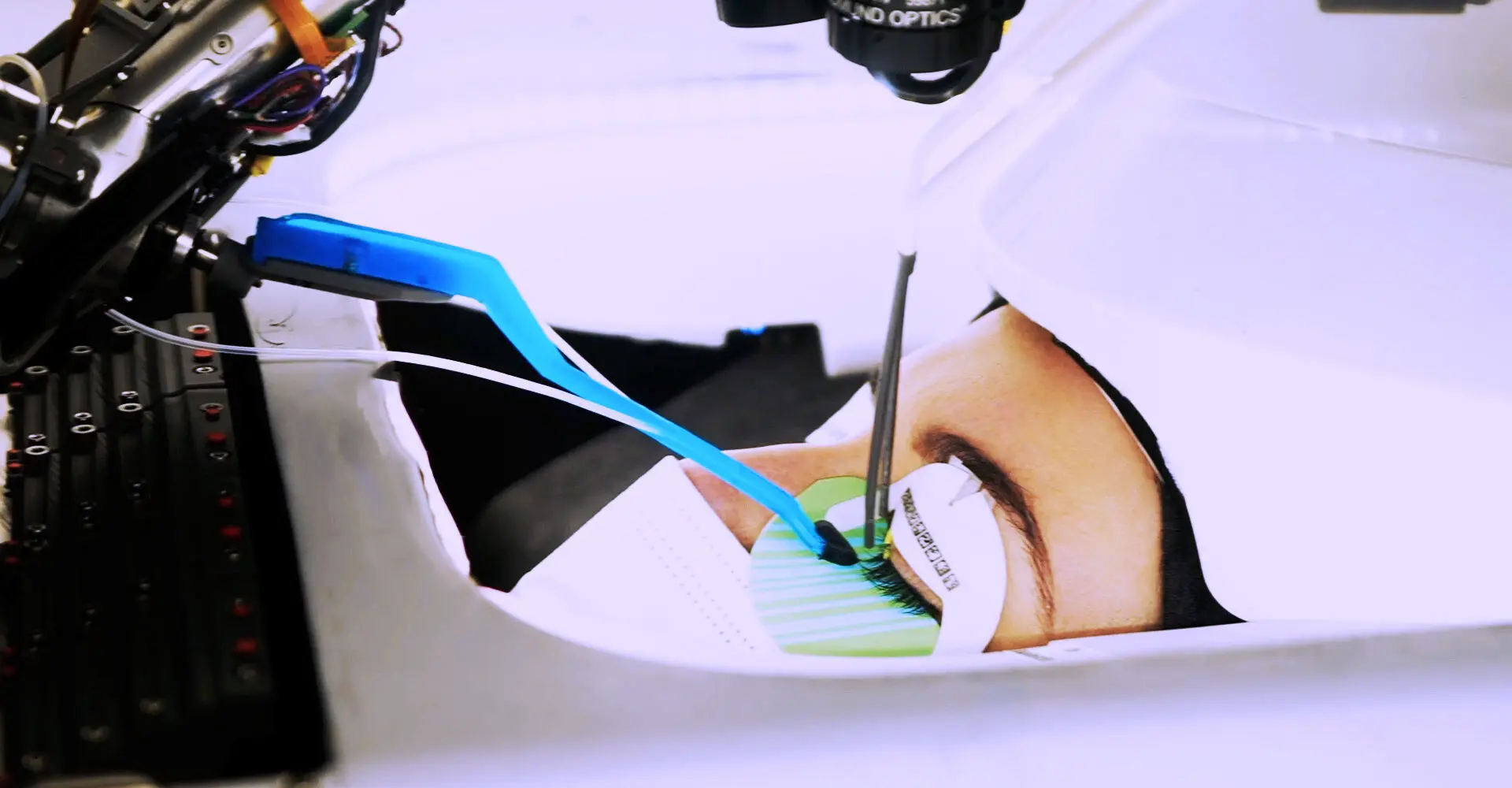
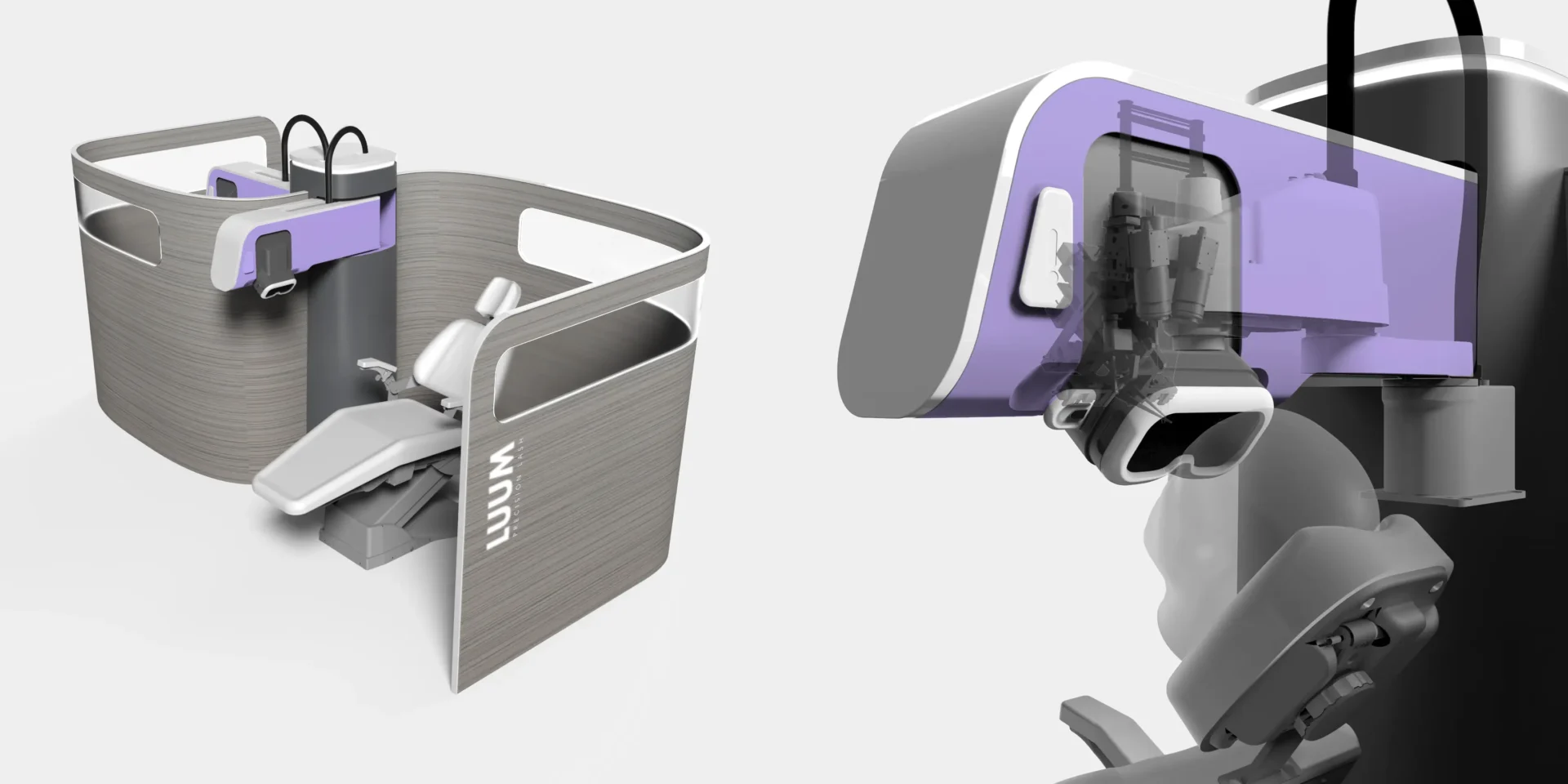
LUUM partnered with Triple Ring to develop a robotic system designed to automate the application of eyelash extensions with high precision, safety, and consistency. The system integrates machine vision and robotics technologies to support accurate positioning and controlled interaction near sensitive human anatomy.
Triple Ring developed the machine vision subsystem and contributed industrial design concepts that supported both technical performance and user comfort.
Challenge
The system needed to safely perform highly precise procedures near the human eye while maintaining responsiveness to client movement. Low-latency perception and control were required to support real-time adjustments and maintain safe interaction.
The system also needed to support accurate perception across diverse users, including a wide range of skin tones and eyelash characteristics.
Precision Aesthetic Robotics
Overview
LUUM partnered with Triple Ring to develop a robotic system designed to automate the application of eyelash extensions with high precision, safety, and consistency. The system integrates machine vision and robotics technologies to support accurate positioning and controlled interaction near sensitive human anatomy.
Triple Ring developed the machine vision subsystem and contributed industrial design concepts that supported both technical performance and user comfort.
Challenge
The system needed to safely perform highly precise procedures near the human eye while maintaining responsiveness to client movement. Low-latency perception and control were required to support real-time adjustments and maintain safe interaction.
The system also needed to support accurate perception across diverse users, including a wide range of skin tones and eyelash characteristics.
Client
LUUM
Practice Areas
Imaging, Robotics & Radiotherapy
Core Disciplines
Mechanical Engineering
Systems Engineering
Photonics & Imaging
Microfluidics
Solution
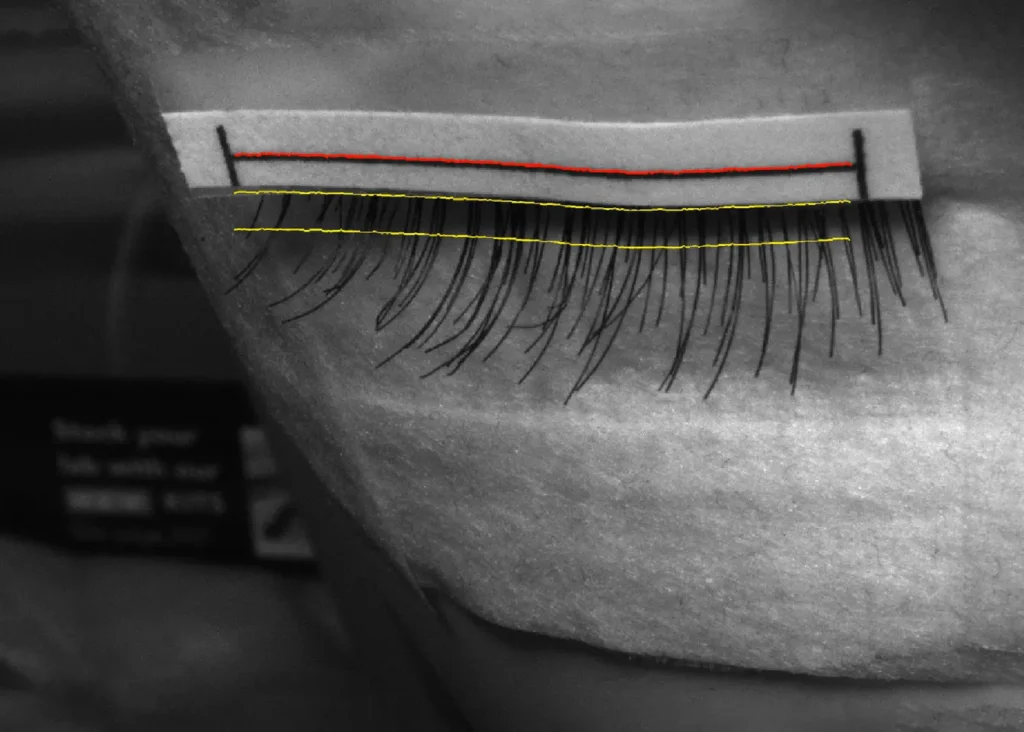
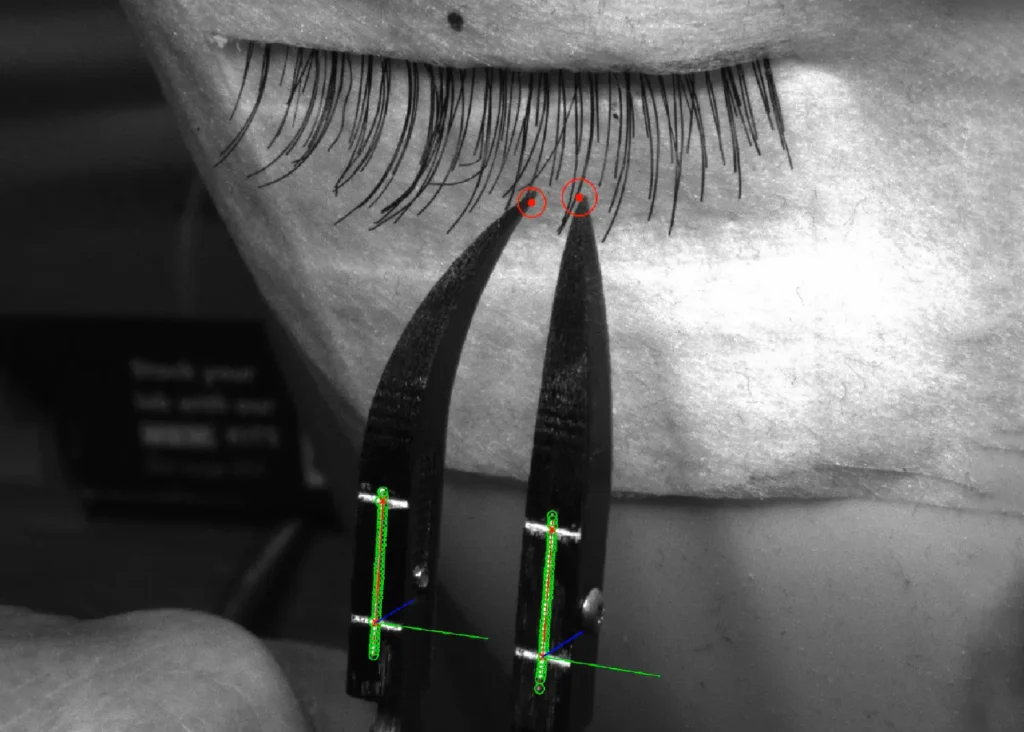
Triple Ring applied expertise in imaging, robotics, and industrial design to develop a machine vision system capable of guiding robotic motion with high precision and responsiveness.
Key development activities included:
- Developing machine vision algorithms capable of tracking fine features in three-dimensional space
- Designing perception systems that responded rapidly to client movement
- Integrating redundant safety features to support safe operation near sensitive anatomy
- Creating industrial design concepts that improved comfort and promoted user confidence
Outcome
Triple Ring delivered a fully integrated machine vision subsystem and industrial design framework supporting LUUM’s robotic eyelash application platform.
The system enabled consistent and efficient placement of eyelash extensions while maintaining high standards of safety and supporting reliable performance across diverse users.
Triple Ring Talent
The Story Behind the Innovation
At Triple Ring, we draw on a deep bench of expertise across diverse disciplines matched to each innovation challenge. For this project, our team applied machine vision, optical engineering, robotic control systems, and industrial design expertise to develop a precision robotic platform capable of safely automating eyelash extension application near sensitive human anatomy.
Todd and Keith collaborated with many talented colleagues across Triple Ring and LUUM on this project.
Todd Harris, PhD
Physics & Optical Science
Dr. Todd Harris applies expertise in optics and imaging physics to the development of advanced sensing and illumination technologies. His work combines optical modeling with system design, helping teams translate complex physical principles into dependable, high-performance solutions.

Keith Nishihara, PhD
Physics & Optical Science
Dr. Keith Nishihara works in computer vision and image-based system development, transforming advanced algorithms into practical hardware and software solutions. His work supports applications ranging from medical imaging to real-time recognition systems, helping teams solve complex visual and spatial challenges.


Key Innovation
Microfluidic lab-on-a-chip technology brought clinical-grade THC detection out of the lab.
Cannabis Breathalyzer System
Client
Hound Labs
Practice Areas
TechBio & Life Sciences
Core Disciplines
Overview
Hound Labs engaged Triple Ring to invent a portable breath analyzer capable of detecting recent marijuana use. The system was developed to support point-of-use testing in law enforcement and workplace environments requiring reliable impairment detection.
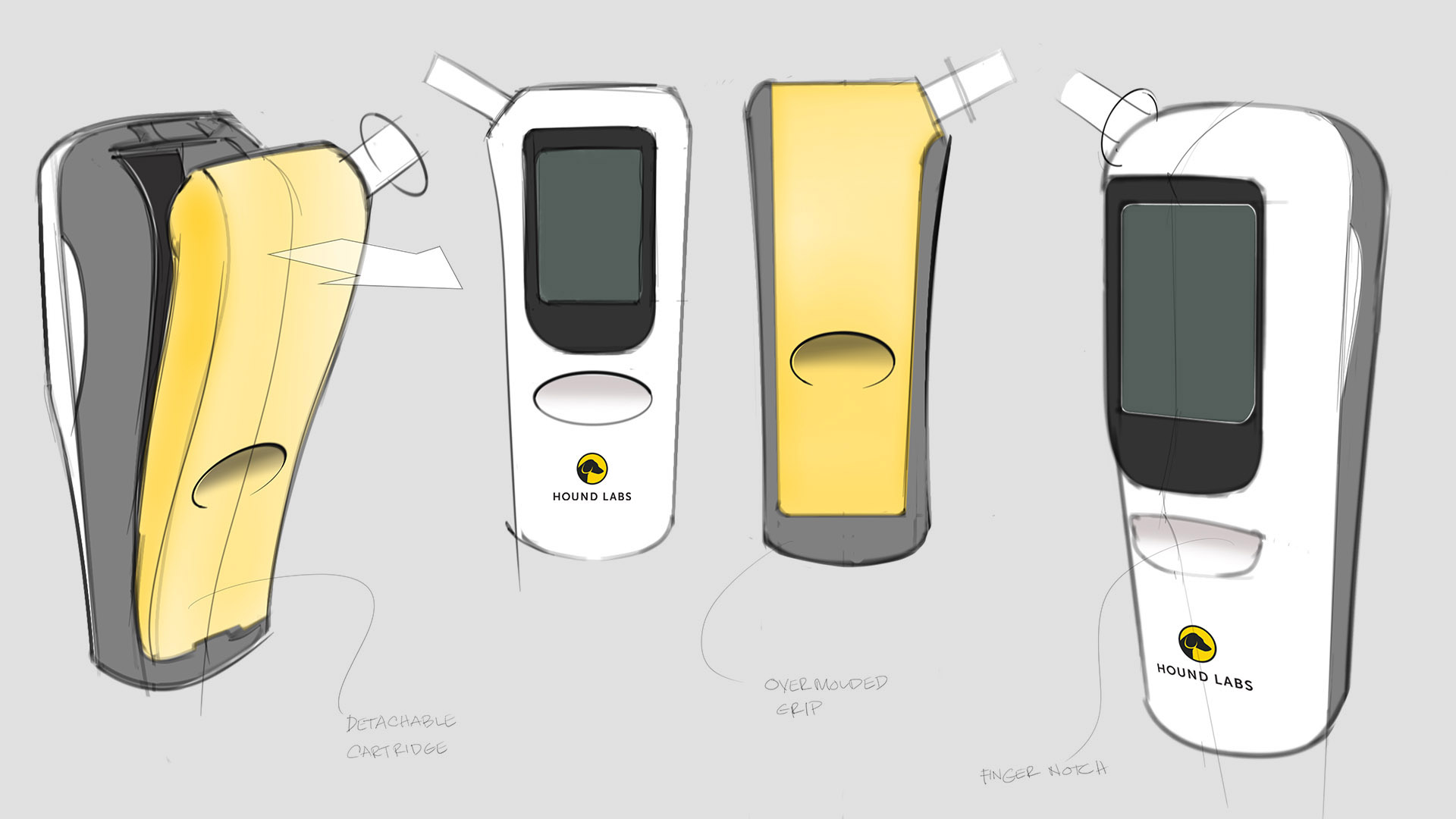
Starting from an early concept sketch, Triple Ring collaborated with Hound Labs to develop a high-sensitivity breathalyzer platform combining chemical detection and portable instrumentation technologies.
Challenge
The system needed to detect Δ-9 THC in exhaled breath with clinical-grade sensitivity while maintaining portability and reliability in field conditions.
In addition to engineering challenges, the project required validation of THC pharmacodynamics in breath, including generation of peer-reviewed scientific evidence supporting detection feasibility.
Cannabis Breathalyzer System
Overview
Hound Labs engaged Triple Ring to invent a portable breath analyzer capable of detecting recent marijuana use. The system was developed to support point-of-use testing in law enforcement and workplace environments requiring reliable impairment detection.
Starting from an early concept sketch, Triple Ring collaborated with Hound Labs to develop a high-sensitivity breathalyzer platform combining chemical detection and portable instrumentation technologies.
Challenge
The system needed to detect Δ-9 THC in exhaled breath with clinical-grade sensitivity while maintaining portability and reliability in field conditions.
In addition to engineering challenges, the project required validation of THC pharmacodynamics in breath, including generation of peer-reviewed scientific evidence supporting detection feasibility.
Client
Hound Labs
Practice Areas
TechBio & Life Sciences
Core Disciplines
Software Engineering
Mechanical Engineering
Systems Engineering
Transfer to Manufacture
Electrical Engineering
Optical Science
Quality System Management
Embedded Systems
Microfluidics
Solution
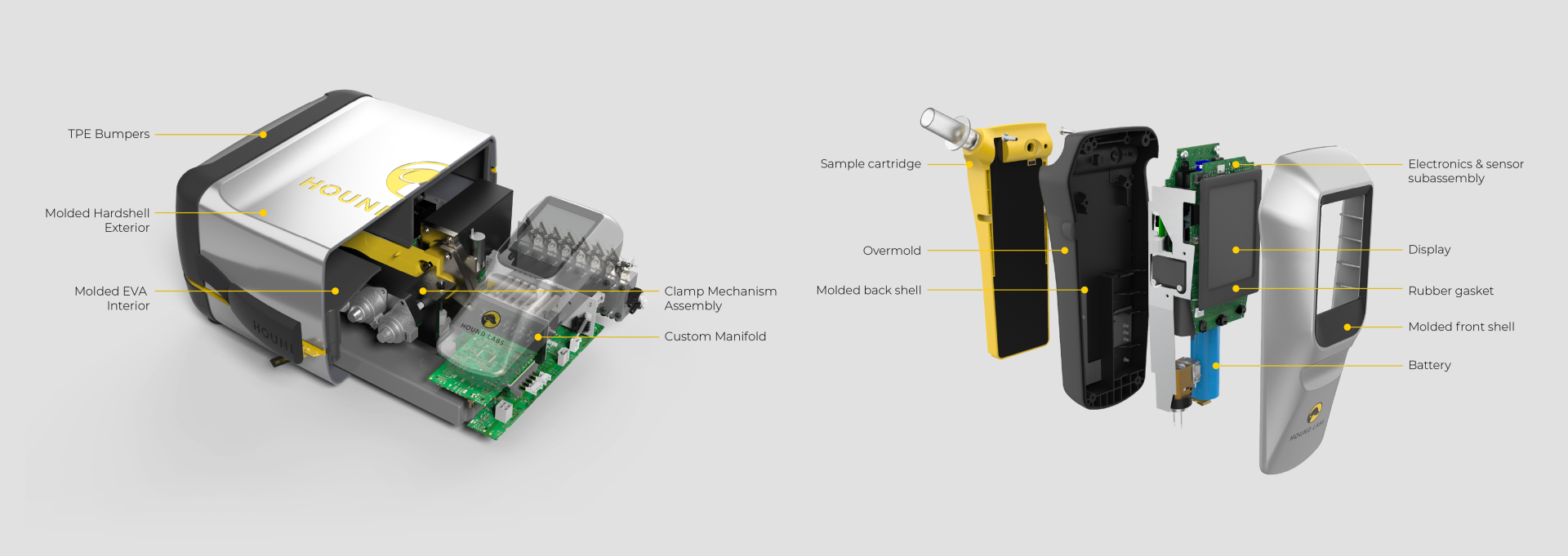
Triple Ring assembled multidisciplinary development teams to design and validate a fully integrated breath analysis platform combining microfluidic sampling and portable device technologies.
Development efforts included:
- Designing a portable breath capture device optimized for reliable sample collection
- Engineering microfluidic lab-on-a-chip cartridges supporting sensitive compound detection
- Integrating control station hardware capable of processing and analyzing captured samples
- Supporting validation activities that produced peer-reviewed pharmacodynamic data
- Developing prototype systems suitable for demonstration, testing, and continued product development
Outcome
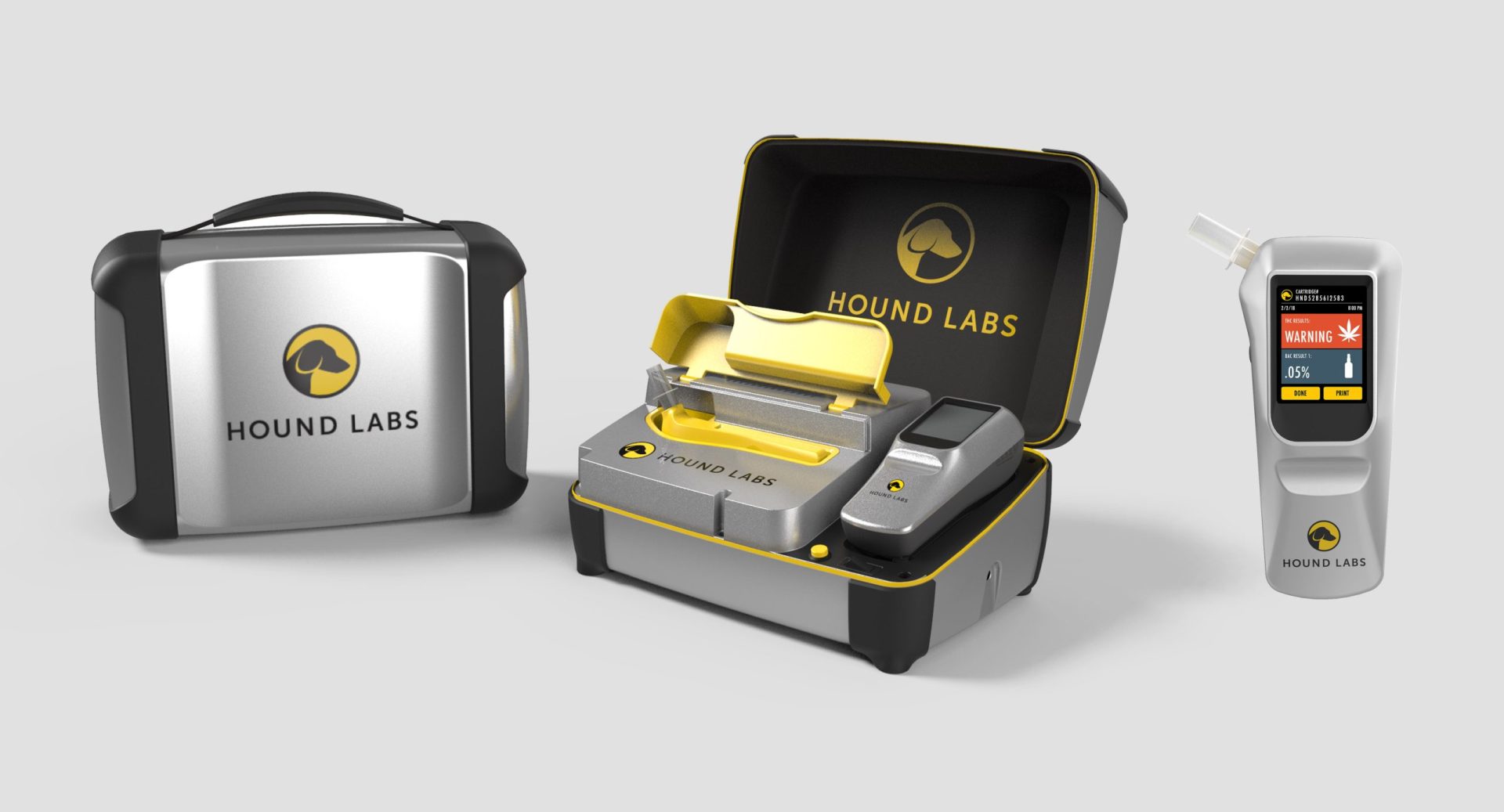
Triple Ring delivered fully functioning prototype systems consisting of a breath capture device, control station, and microfluidic cartridges.
The system produced clinical-grade data at the point of use, supporting detection of recent marijuana use and enabling development of a first-in-class breath-based detection platform.
Triple Ring Talent
The Story Behind the Innovation
At Triple Ring, we draw on a deep bench of expertise across diverse disciplines matched to each innovation challenge. For this project, our team combined microfluidic engineering, biological sensing, portable instrumentation, and clinical validation expertise to develop a first-in-class breath-based THC detection platform capable of delivering clinical-grade results at the point of use.
David and Kevin collaborated with many talented colleagues across Triple Ring and Hound Labs on this project.

David Shack, PhD
Mechanical Engineering & Applied Sciences
Dr. David Shack directs the development of complex scientific measurement and analysis systems across multidisciplinary teams. His work integrates algorithms, software, fluidics, and optical technologies, helping advance tools that support precision research and clinical applications.

Kevin Limtao
Biomedical & Systems Engineering
Kevin Limtao connects system requirements, architecture, and integration across complex medical and diagnostic technologies. His work helps teams align design, risk, and performance throughout the development lifecycle, ensuring systems function reliably from early concepts through deployment.