Key Innovation
From unmet clinical need to company formation: the path to an at-home diagnostic solution.
At-Home Biomarker Measurements for Women
Client
Two X Labs
Practice Areas
TechBio & Life Sciences
Core Disciplines
Overview
A venture studio engaged Triple Ring to identify commercially viable opportunities within women’s health. Former Stanford Biodesign Innovation fellows at Triple Ring applied the Biodesign process and evaluated unmet clinical needs transforming one of the highest-potential opportunities into an early-stage diagnostic concept.
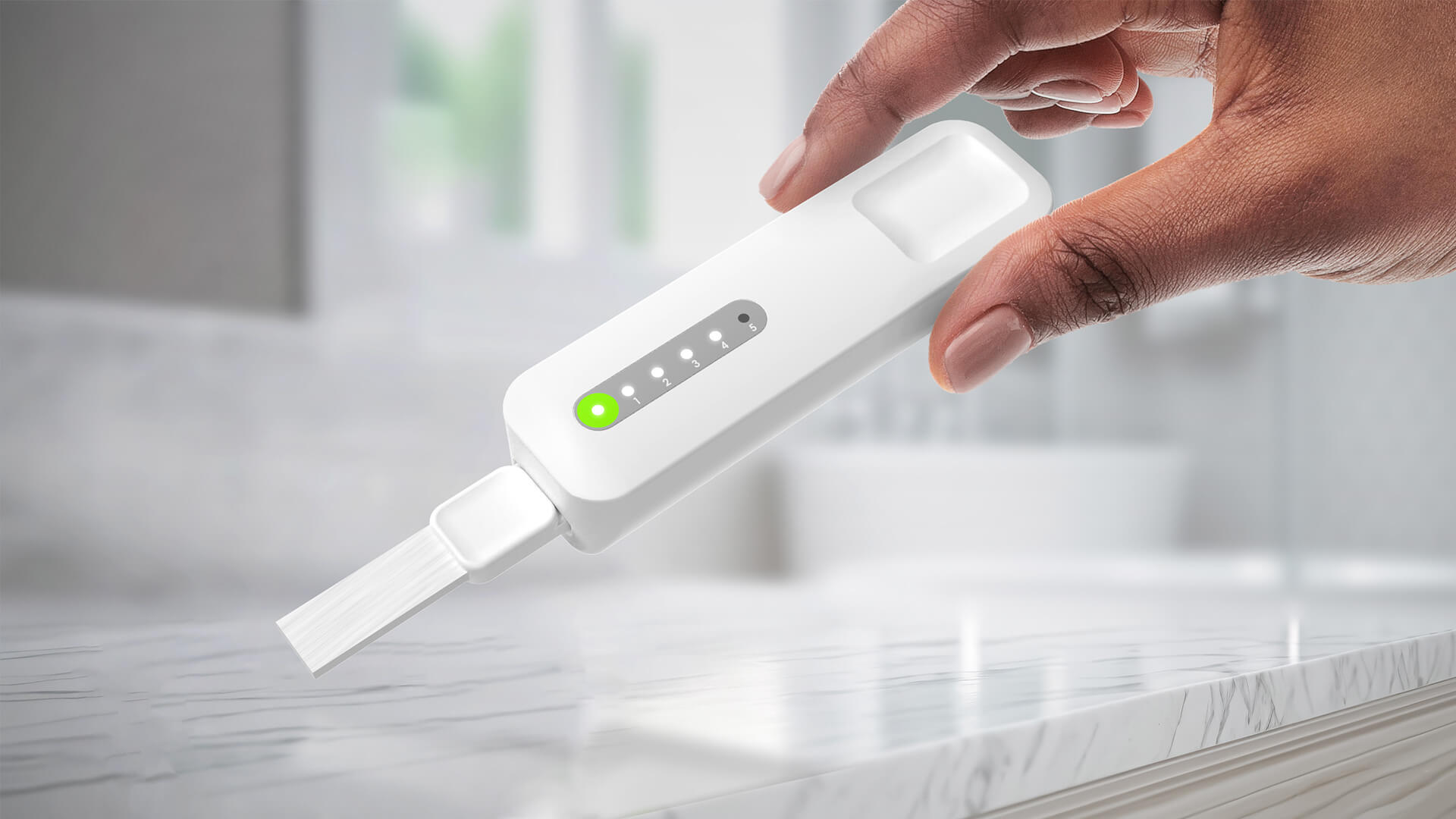
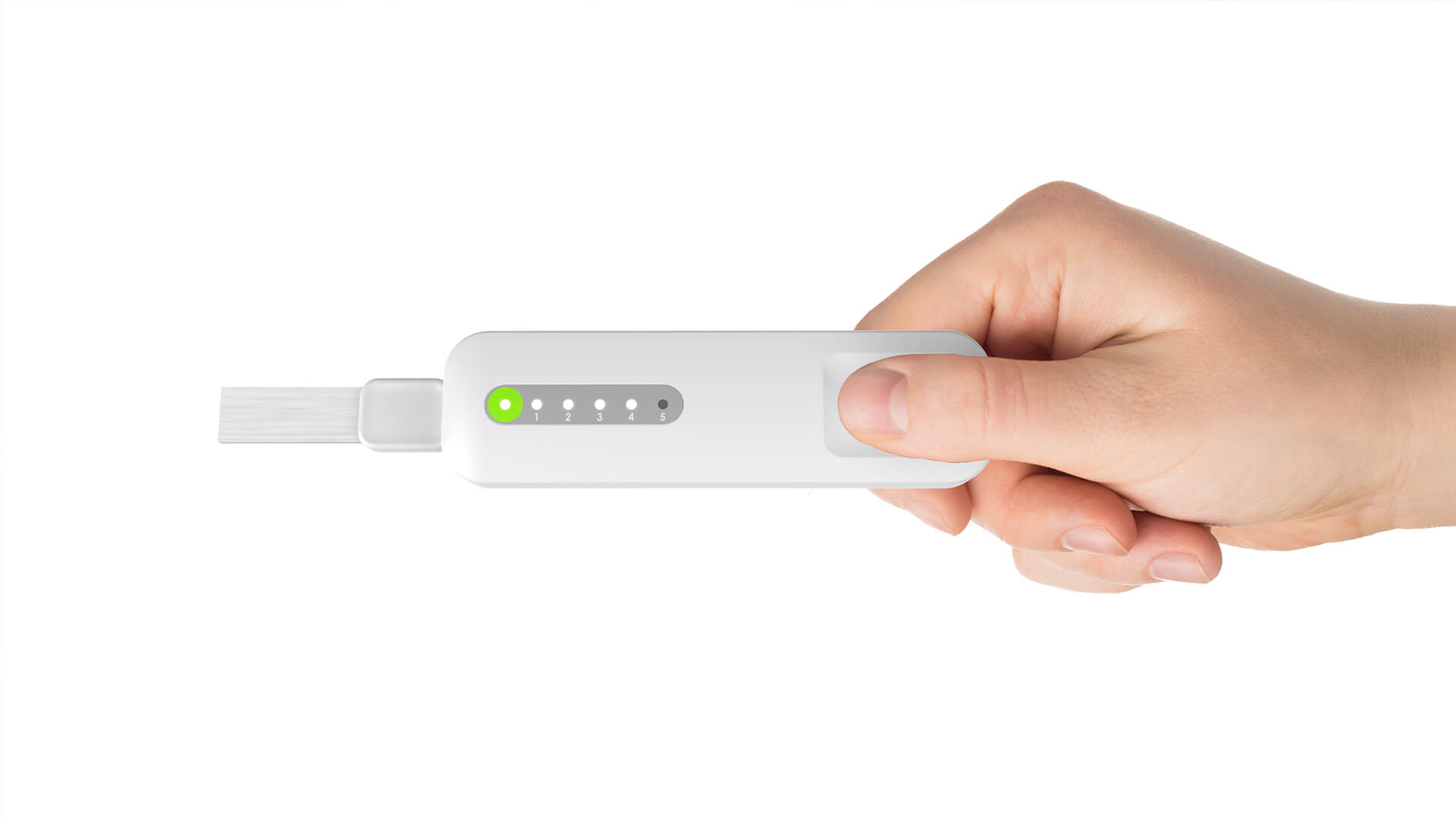
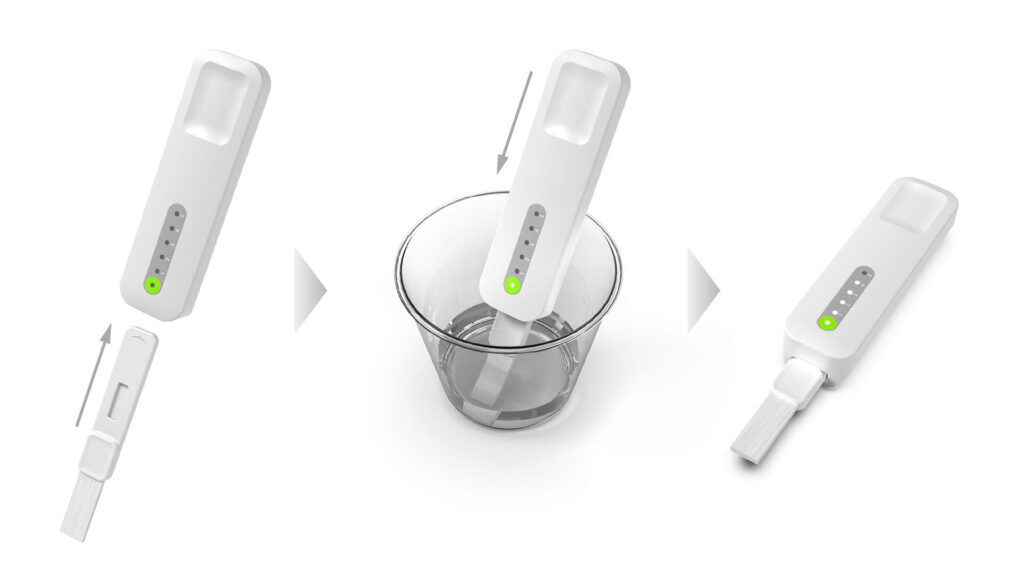
The program combined market discovery, clinical insight, and rapid technical innovation to create an at-home, semi-quantitative biomarker measurement platform designed for low-cost, CLIA-waived testing.
Challenge
The project began with a broad question: where are the greatest unmet opportunities in women’s health? Triple Ring interviewed healthcare providers, key opinion leaders, and other stakeholders while analyzing publicly available data to identify unmet clinical needs with meaningful market potential.
One promising opportunity emerged: a low-cost system capable of performing semi-quantitative biomarker measurements at home. Delivering clinically meaningful performance within the constraints of an affordable, CLIA-waived diagnostic platform presented a significant technical challenge.
At-Home Biomarker Measurements for Women
Overview
A venture studio engaged Triple Ring to identify commercially viable opportunities within women’s health. Former Stanford Biodesign Innovation fellows at Triple Ring applied the Biodesign process and evaluated unmet clinical needs transforming one of the highest-potential opportunities into an early-stage diagnostic concept.
The program combined market discovery, clinical insight, and rapid technical innovation to create an at-home, semi-quantitative biomarker measurement platform designed for low-cost, CLIA-waived testing.
Challenge
The project began with a broad question: where are the greatest unmet opportunities in women’s health? Triple Ring interviewed healthcare providers, key opinion leaders, and other stakeholders while analyzing publicly available data to identify unmet clinical needs with meaningful market potential.
One promising opportunity emerged: a low-cost system capable of performing semi-quantitative biomarker measurements at home. Delivering clinically meaningful performance within the constraints of an affordable, CLIA-waived diagnostic platform presented a significant technical challenge.
Client
Two X Labs
Practice Areas
TechBio & Life Sciences
Core Disciplines
Molecular & Cell Biology
Systems Engineering
Industrial Design
Solution
Triple Ring applied multidisciplinary product development expertise and the Biodesign methodology and to rapidly progress from opportunity identification to proof of concept.
The program combined clinical insight with rapid innovation by:
- Applying the Stanford Biodesign process to identify and prioritize unmet clinical needs
- Evaluating opportunities based on clinical impact, market potential, technical risk, and commercialization potential
- Brainstorming and refining technical concepts through an interdisciplinary team of scientists and engineers
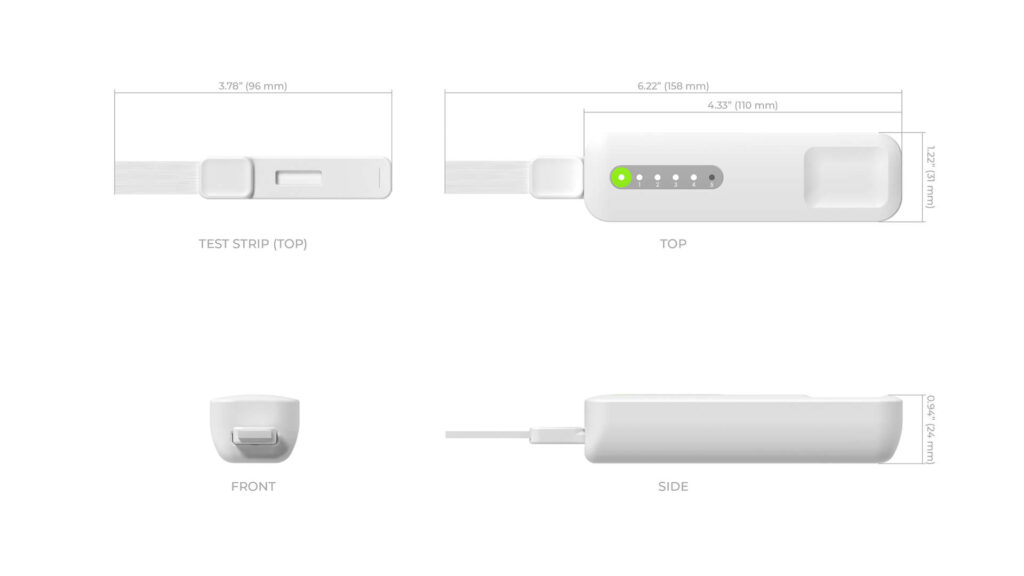
- Developing an initial proof-of-concept prototype for an at-home semi-quantitative biomarker measurement system
- Generating assay data and product visualizations to support company formation, fundraising, and commercialization plans
Outcome
Within weeks, Triple Ring developed an initial proof-of-concept prototype and demonstrated promising system performance.
The resulting intellectual property, and initial data, was used to form a startup company, Two X Labs, and an executive team was recruited to raise outside investment. Triple Ring continues to support commercialization through medical device development expertise and collaborative government proposal development, helping position the company to secure additional non-dilutive funding. The project demonstrates Triple Ring’s ability to identify unmet clinical needs, rapidly de-risk innovative concepts, and help launch new medical technology ventures.
Triple Ring Talent
The Story Behind the Innovation
At Triple Ring, we draw on a deep bench of expertise across diverse disciplines matched to each innovation challenge. For this project, our team combined clinical needs assessment, biodesign methodology, assay development, diagnostic device engineering, and commercialization strategy expertise to identify an unmet opportunity in women’s health and rapidly advance it from concept to fundable startup.
Rachel and Todd collaborated with many talented colleagues across Triple Ring and TwoX Labs on this project.

Rachel Gerver, PhD
Bioengineering and Systems
Dr. Rachel Gerver advances bioengineering and microfluidic technologies from early development into real-world application. Her work spans applied science and systems leadership, bringing complex innovations into practical use.

Todd Harris, PhD
Physics and Optical Science
Dr. Todd Harris applies expertise in physics and optical science to the development of advanced sensing and illumination technologies. His work combines optical modeling with system design, enabling dependable high-performance solutions.