
Key Innovation
Rotating the patient — not the beam — made compact, precise radiotherapy possible.
Upright Radiation Therapy
Client
Leo Cancer Care
Practice Areas
Imaging, Robotics & Radiotherapy
Core Disciplines
Overview
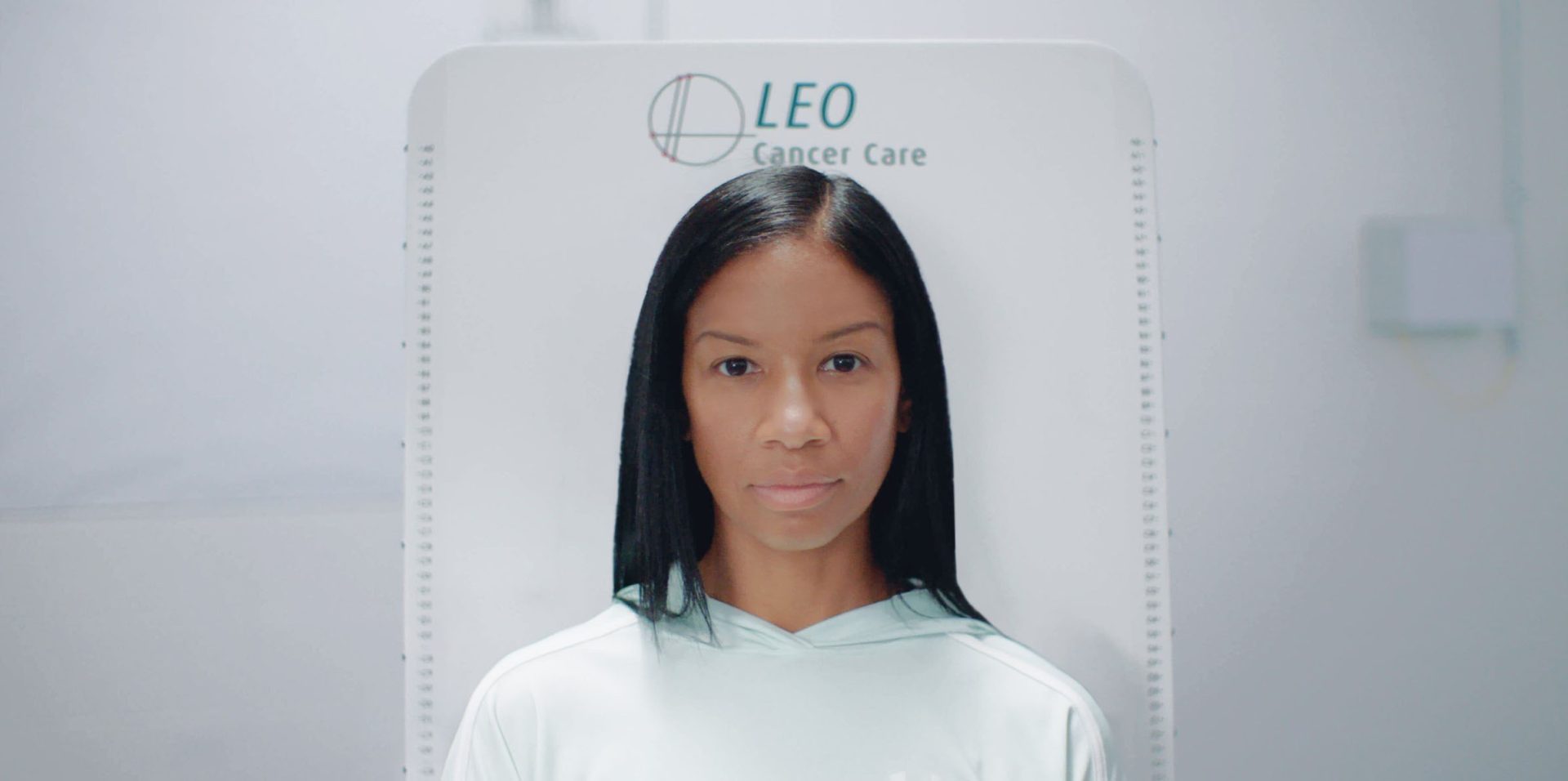
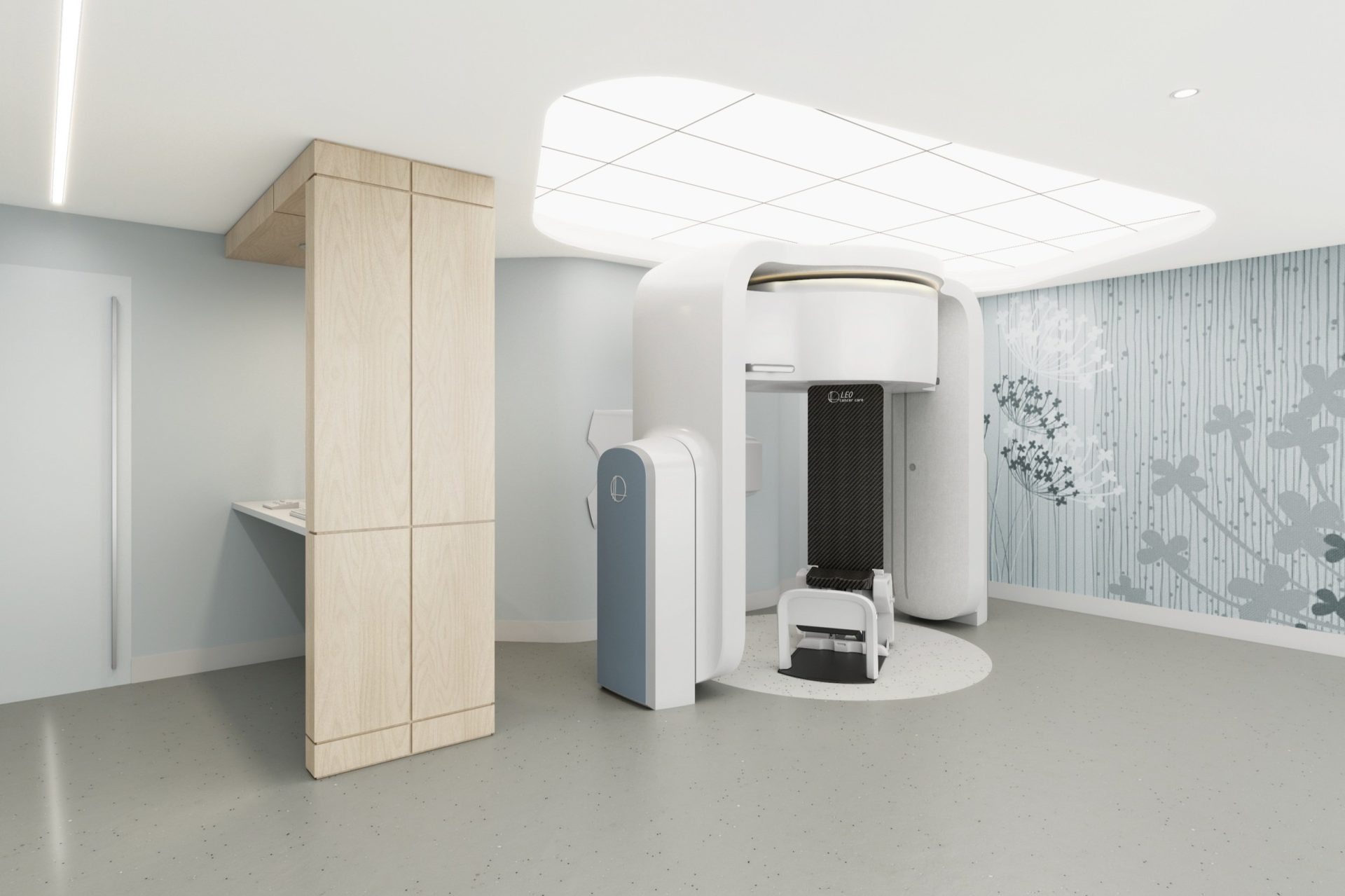
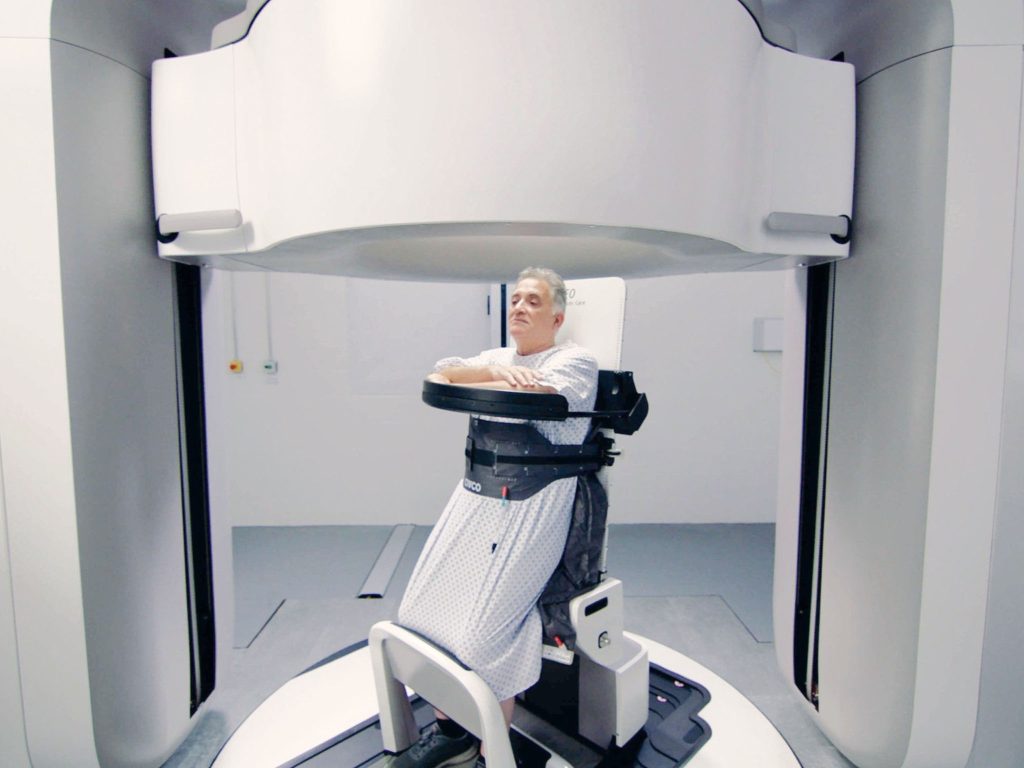
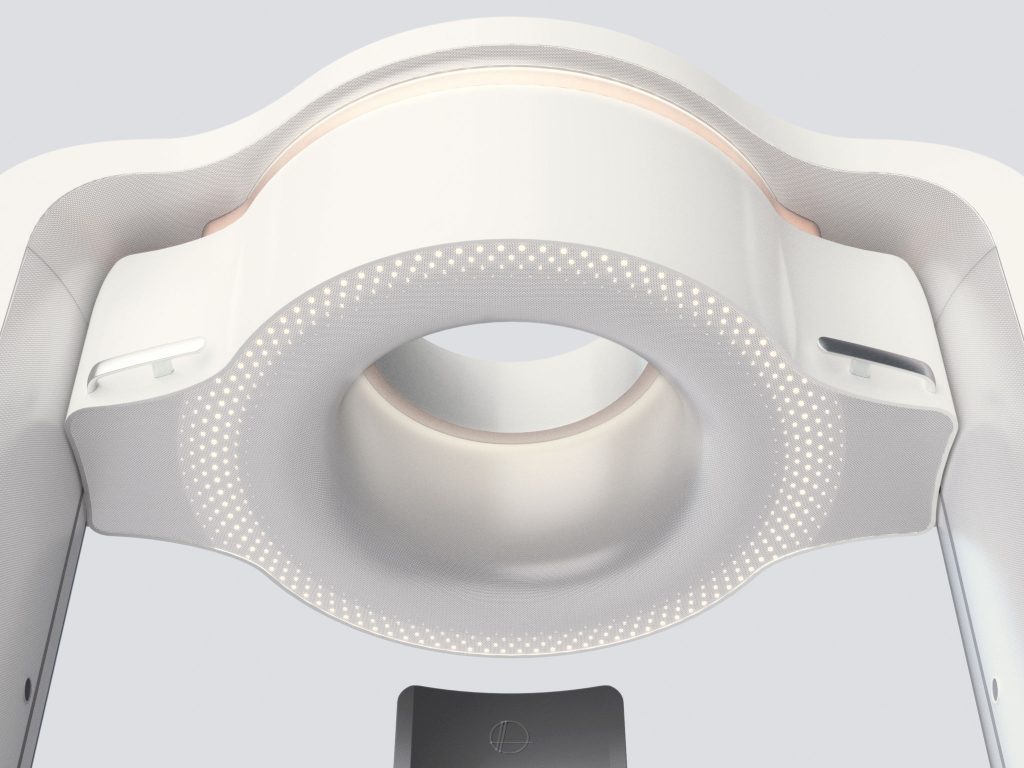
Leo Cancer Care worked with Triple Ring to design a computed tomography (CT) imaging system supporting a novel radiation therapy concept that enables treatment in a natural, upright seated position. The system integrates imaging and patient positioning into a single device, allowing patients to be scanned in both upright and lying positions.
This platform introduces a new approach to radiotherapy delivery by improving patient comfort, positioning accuracy, and overall treatment workflow.
Challenge
Leo Cancer Care sought to develop a radiation therapy system capable of imaging and positioning patients in an upright configuration while maintaining the precision and safety required for clinical use. The concept required rethinking traditional radiotherapy architectures, including replacing large rotating gantries with a fixed-beam, slow patient rotation strategy.
Achieving this capability required overcoming mechanical, imaging, and system integration challenges while ensuring reliable clinical performance across multiple operating modes.
Upright Radiation Therapy
Overview
Leo Cancer Care worked with Triple Ring to design a computed tomography (CT) imaging system supporting a novel radiation therapy concept that enables treatment in a natural, upright seated position. The system integrates imaging and patient positioning into a single device, allowing patients to be scanned in both upright and lying positions.
This platform introduces a new approach to radiotherapy delivery by improving patient comfort, positioning accuracy, and overall treatment workflow.
Challenge
Leo Cancer Care sought to develop a radiation therapy system capable of imaging and positioning patients in an upright configuration while maintaining the precision and safety required for clinical use. The concept required rethinking traditional radiotherapy architectures, including replacing large rotating gantries with a fixed-beam, slow patient rotation strategy.
Achieving this capability required overcoming mechanical, imaging, and system integration challenges while ensuring reliable clinical performance across multiple operating modes.
Client
Leo Cancer Care
Practice Areas
Imaging, Robotics & Radiotherapy
Core Disciplines
Mechanical Engineering
Industrial Design
Quality System Management
Applied Physics
Solution
Triple Ring applied expertise in radiotherapy physics, imaging systems, and mechanical engineering to design a gantry architecture supporting upright and traditional patient positioning. Close collaboration enabled integration of multiple subsystems into a unified clinical platform.
Key engineering efforts included:
- Designing multi-axis motion systems that supported upright and reclined patient positioning
- Applying radiotherapy physics expertise to guide system architecture
- Using advanced modeling and simulation tools to validate mechanical alignment and imaging accuracy
- Integrating imaging and positioning subsystems into a unified platform
Outcome
The collaboration resulted in an innovative gantry design supporting upright radiation therapy workflows and enabling alternative approaches to traditional radiotherapy systems.
The platform advanced the development of upright radiation therapy as a viable treatment approach, supporting improved patient comfort and positioning accuracy.
Triple Ring Talent
The Story Behind the Innovation
At Triple Ring, we draw on a deep bench of expertise across diverse disciplines matched to each innovation challenge. For this project, our team applied radiotherapy physics, large-scale mechanical design, and systems integration expertise to develop a novel gantry architecture enabling patients to receive radiation therapy in a natural, upright seated position.
Tachi and Tobias collaborated with many talented colleagues across Triple Ring and Leo Cancer Care on this project.

Tachi Callas
Mechanical Engineering
Tachi Callas leads mechanical engineering teams developing complex medical technologies across the full product lifecycle. His work helps transform innovative device concepts into manufacturable systems that support advanced surgical and therapeutic applications.

Tobias Funk, PhD
Experimental Physics & Instrumentation
Dr. Tobias Funk develops advanced instrumentation that applies ionizing radiation to scientific and medical challenges. His work spans imaging, simulation, and system design, helping translate complex physical principles into practical technologies used in real-world environments.