Key Innovation
Reverse engineering lost design history made a Special 510(k) viable.
IVD Platform Refresh
Client
Fortune 500 IVD Company
Practice Areas
TechBio & Life Sciences
Core Disciplines
Overview
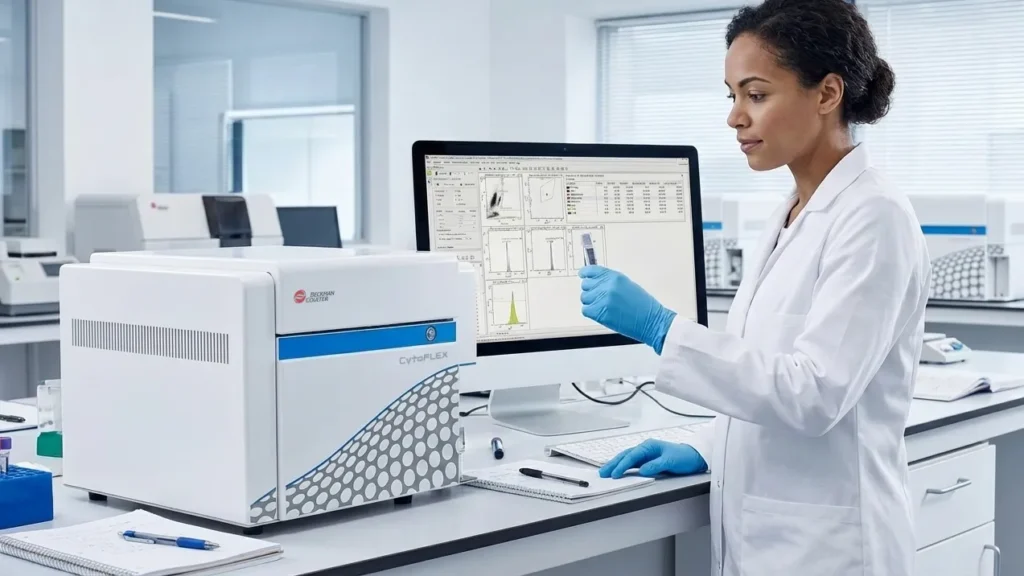
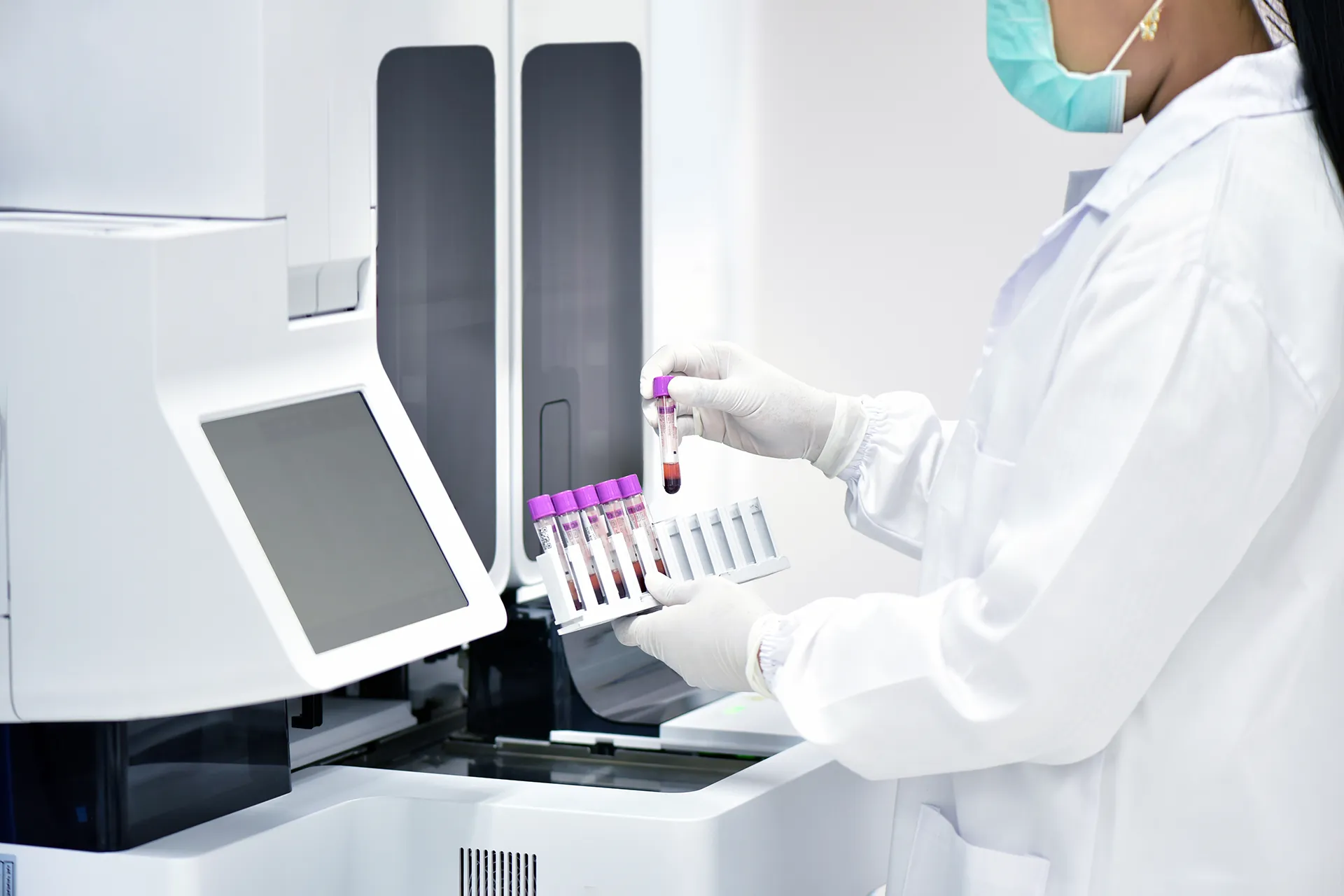
A Fortune 500 diagnostics manufacturer worked with Triple Ring to modernize a legacy in vitro diagnostic (IVD) platform facing component obsolescence and software limitations. The project focused on refreshing the system architecture while maintaining regulatory equivalency with an existing FDA-cleared product.
The resulting platform replaced obsolete hardware, migrated legacy software, and introduced updated industrial design elements while preserving compatibility with established manufacturing and regulatory pathways.
Challenge
The client faced the obsolescence of critical hardware components, including single-board computers and microcontrollers, within an existing diagnostic platform. Compounding the challenge, original firmware source code was unavailable, and institutional knowledge associated with the system had diminished over time.
In addition to restoring functionality, the refreshed system needed to maintain regulatory equivalence to the original device in order to qualify for a Special 510(k) submission. This requirement demanded careful reverse engineering, system validation, and modernization without introducing unintended performance deviations.
IVD Platform Refresh
Overview
A Fortune 500 diagnostics manufacturer worked with Triple Ring to modernize a legacy in vitro diagnostic (IVD) platform facing component obsolescence and software limitations. The project focused on refreshing the system architecture while maintaining regulatory equivalency with an existing FDA-cleared product.
The resulting platform replaced obsolete hardware, migrated legacy software, and introduced updated industrial design elements while preserving compatibility with established manufacturing and regulatory pathways.
Challenge
The client faced the obsolescence of critical hardware components, including single-board computers and microcontrollers, within an existing diagnostic platform. Compounding the challenge, original firmware source code was unavailable, and institutional knowledge associated with the system had diminished over time.
In addition to restoring functionality, the refreshed system needed to maintain regulatory equivalence to the original device in order to qualify for a Special 510(k) submission. This requirement demanded careful reverse engineering, system validation, and modernization without introducing unintended performance deviations.
Client
Fortune 500 IVD Company
Practice Areas
TechBio & Life Sciences
Core Disciplines
Software Engineering
Molecular & Cell Biology
Mechanical Engineering
Transfer to Manufacture
Electrical Engineering
Embedded Systems

Solution
Triple Ring implemented a structured modernization strategy combining reverse engineering, hardware redesign, and software migration. The development effort focused on preserving functional equivalency while introducing modern components and improving long-term maintainability.
Development efforts included:
- Reverse-engineering legacy hardware and firmware to recover system functionality and requirements
- Migrating existing software to a modern operating system architecture
- Replacing obsolete components while maintaining compatibility with legacy subsystems
- Updating mechanical and electrical subassemblies to support manufacturing continuity
- Preparing validation and documentation packages supporting regulatory equivalence requirements
Outcome
Triple Ring delivered a fully refreshed IVD platform supported by a comprehensive regulatory submission package demonstrating equivalency to the original FDA-cleared device. The updated system maintained functional continuity while addressing long-term hardware and software sustainability.
The refreshed design integrated seamlessly into existing manufacturing workflows, enabling uninterrupted production and maintaining cost targets. The modernization effort positioned the platform for continued market competitiveness while ensuring regulatory compliance and operational reliability.
Triple Ring Talent
The Story Behind the Innovation
At Triple Ring, we draw on a deep bench of expertise across diverse disciplines matched to each innovation challenge. For this project, our team combined reverse engineering, embedded systems, software migration, regulatory strategy, and industrial design expertise to modernize a legacy IVD platform — restoring long-term sustainability while maintaining full regulatory equivalency with the original FDA-cleared device.
Rob and Anne collaborated with many talented colleagues across Triple Ring on this project.

Robert de Saint Phalle
Interdisciplinary Product Design
Robert de Saint Phalle shapes product design strategies that connect engineering, user experience, and emerging technologies. His work helps teams translate complex ideas into thoughtful, functional products that bring new technologies to life.

Anne Preut
Biomedical & Systems Engineering
Anne Preut leads systems engineering efforts that integrate hardware, firmware, assays, and fluidics across complex diagnostic technologies. Her work aligns cross-functional teams throughout the development lifecycle, helping ensure systems perform reliably from early feasibility through production.